The Changing Face of Northgate
From wooden storefronts and a real brick-and-iron gate to high-rise apartments, the district has grown alongside Texas A&M.
By Sue Owen ’94
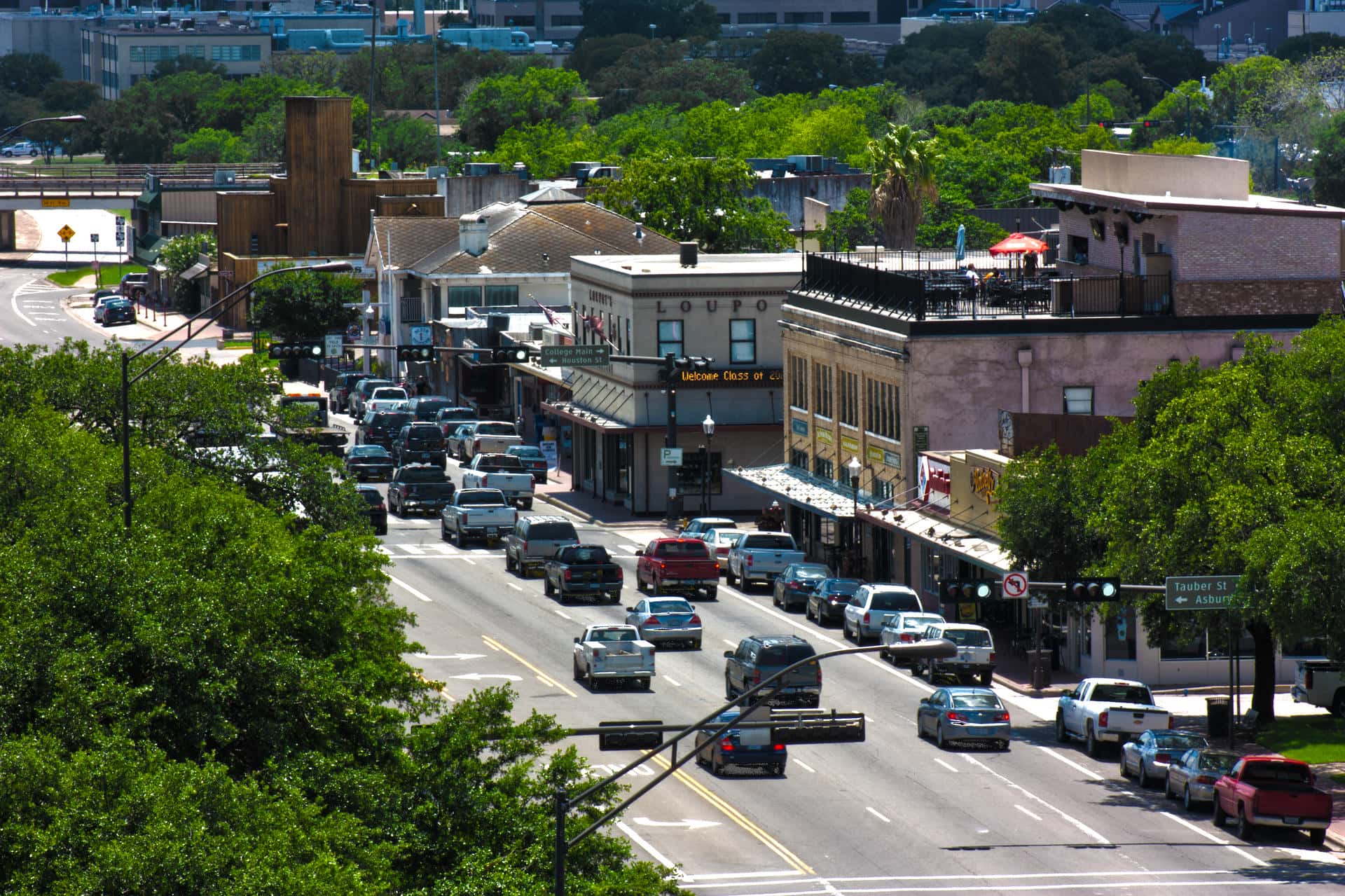
The very beginning of College Station’s Northgate district had a real Old West feel to it.
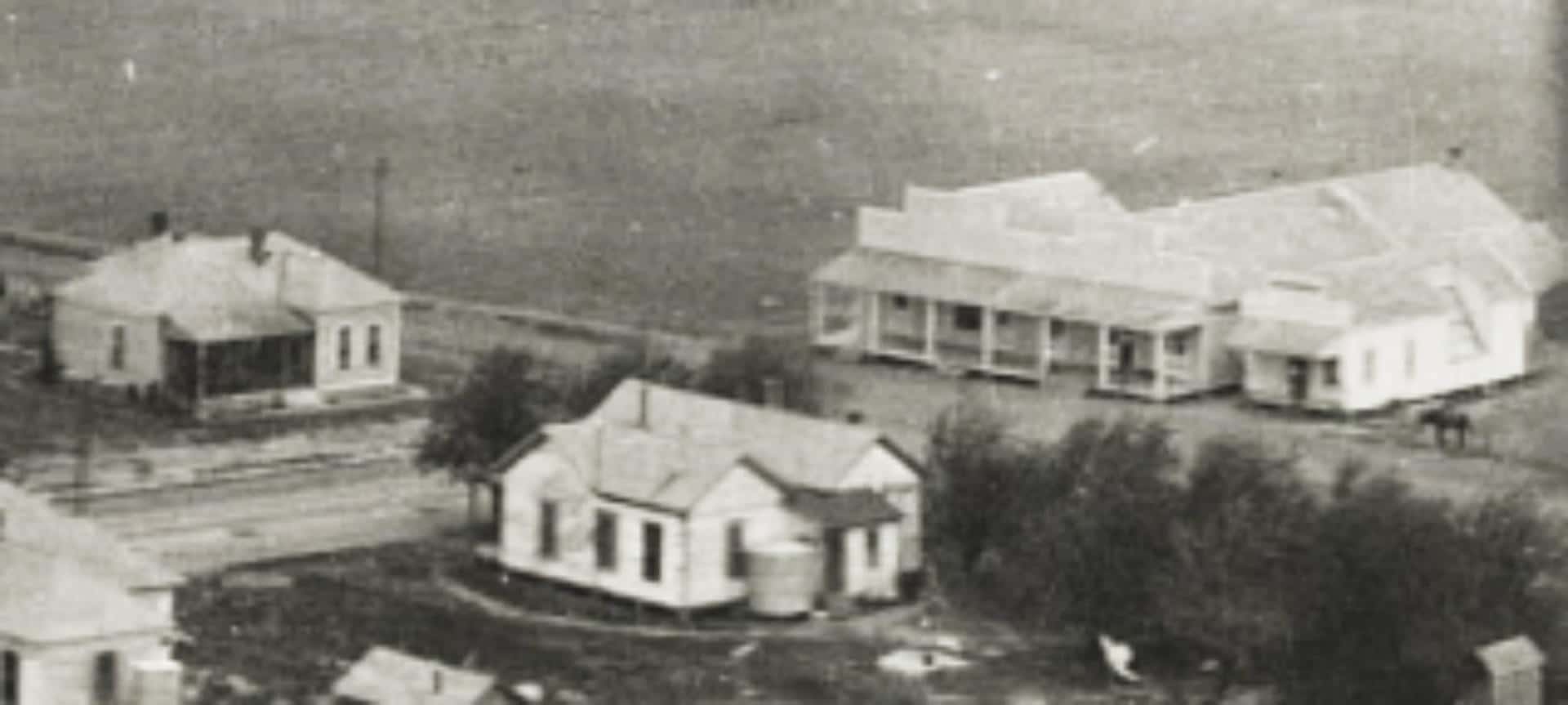
In 1910, “the Northgate was but a peach orchard and Professor Bobby Smith’s horselot,” wrote Texas A&M University’s first archivist, David Brooks Cofer, who arrived in Aggieland that year as an English professor.
Then, around 1915-16, the first Northgate businesses opened in two wooden buildings just across from campus, with storefronts that could have come from a Western movie.
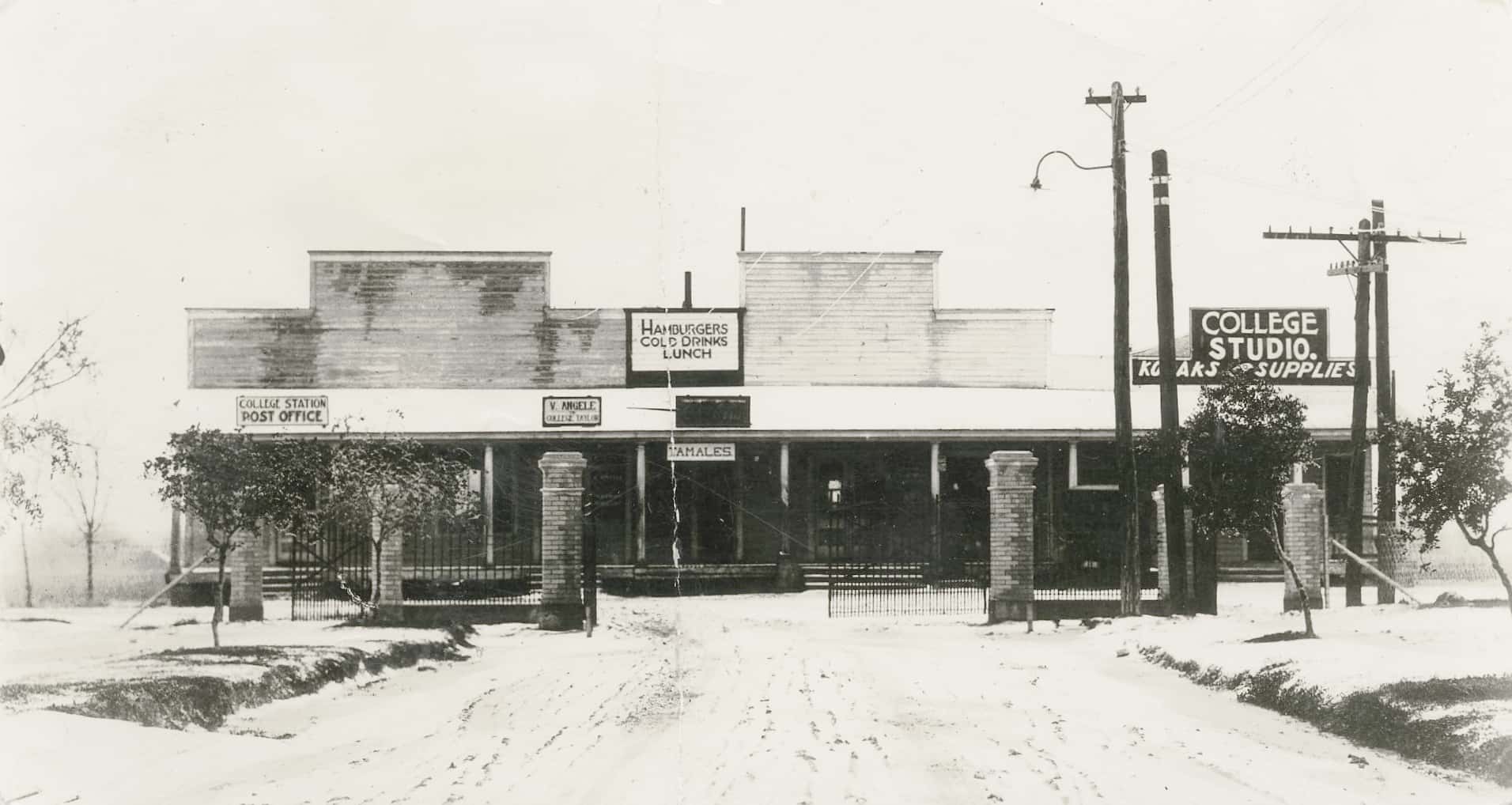
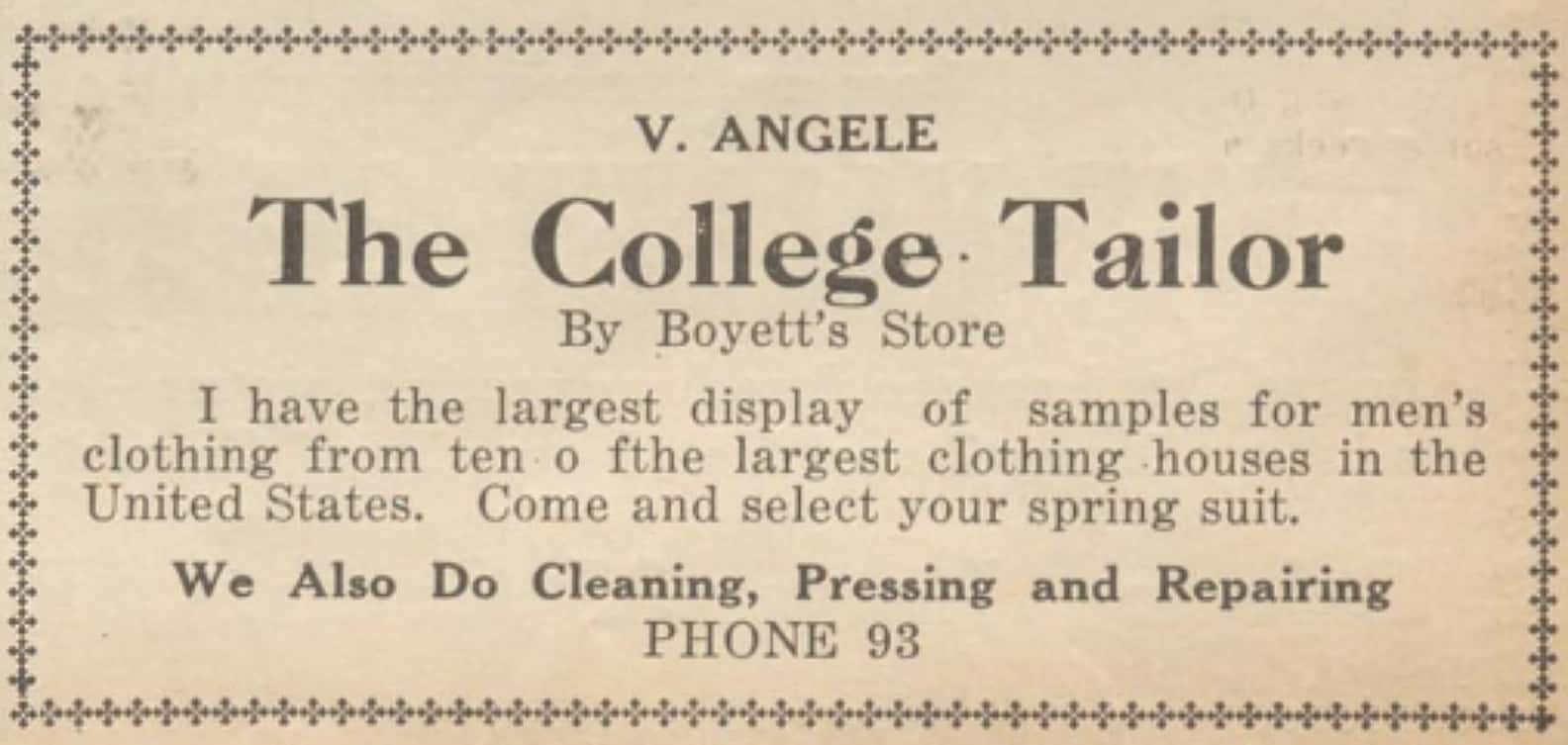
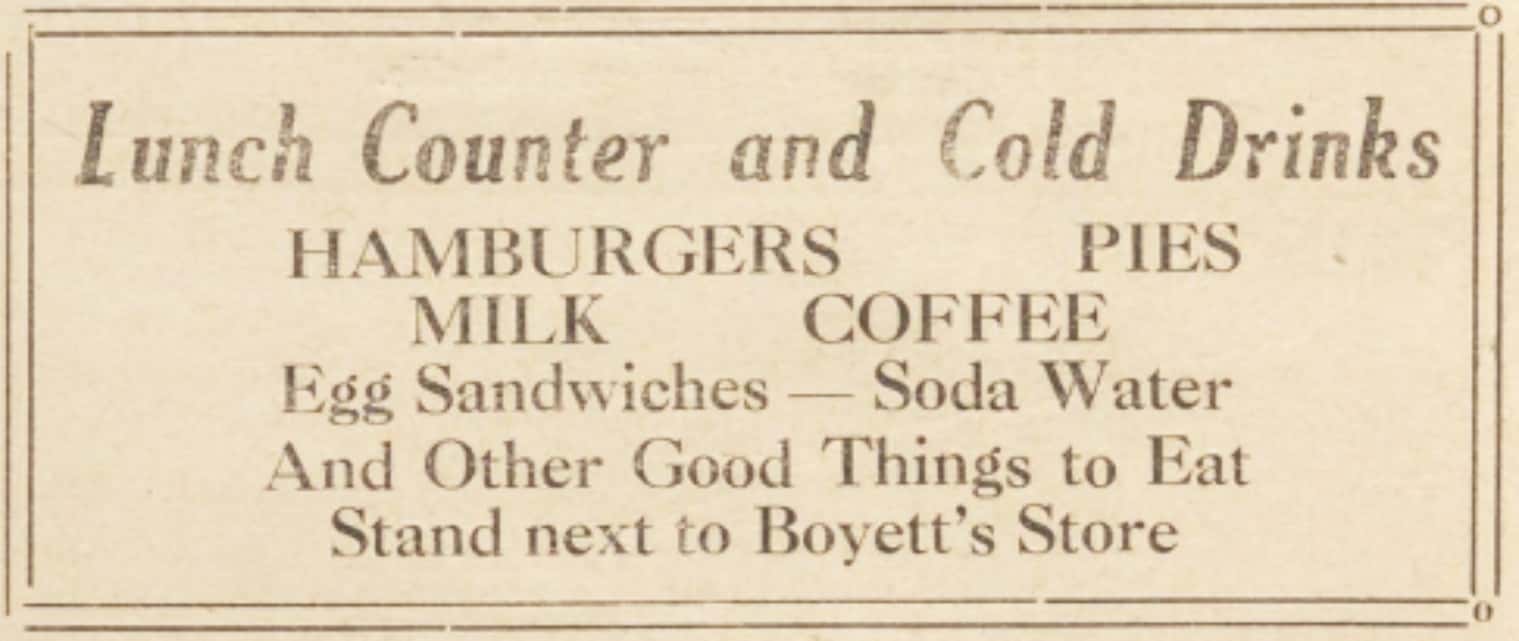
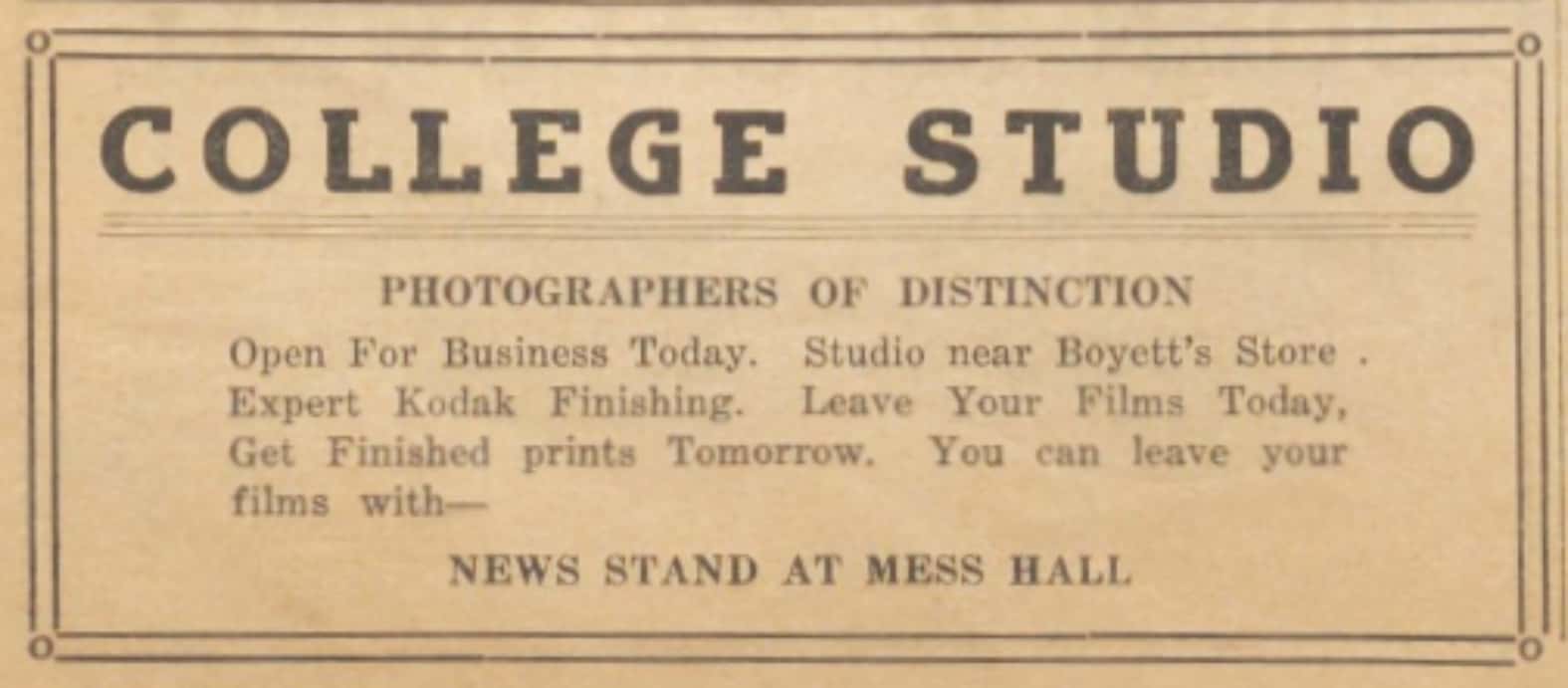
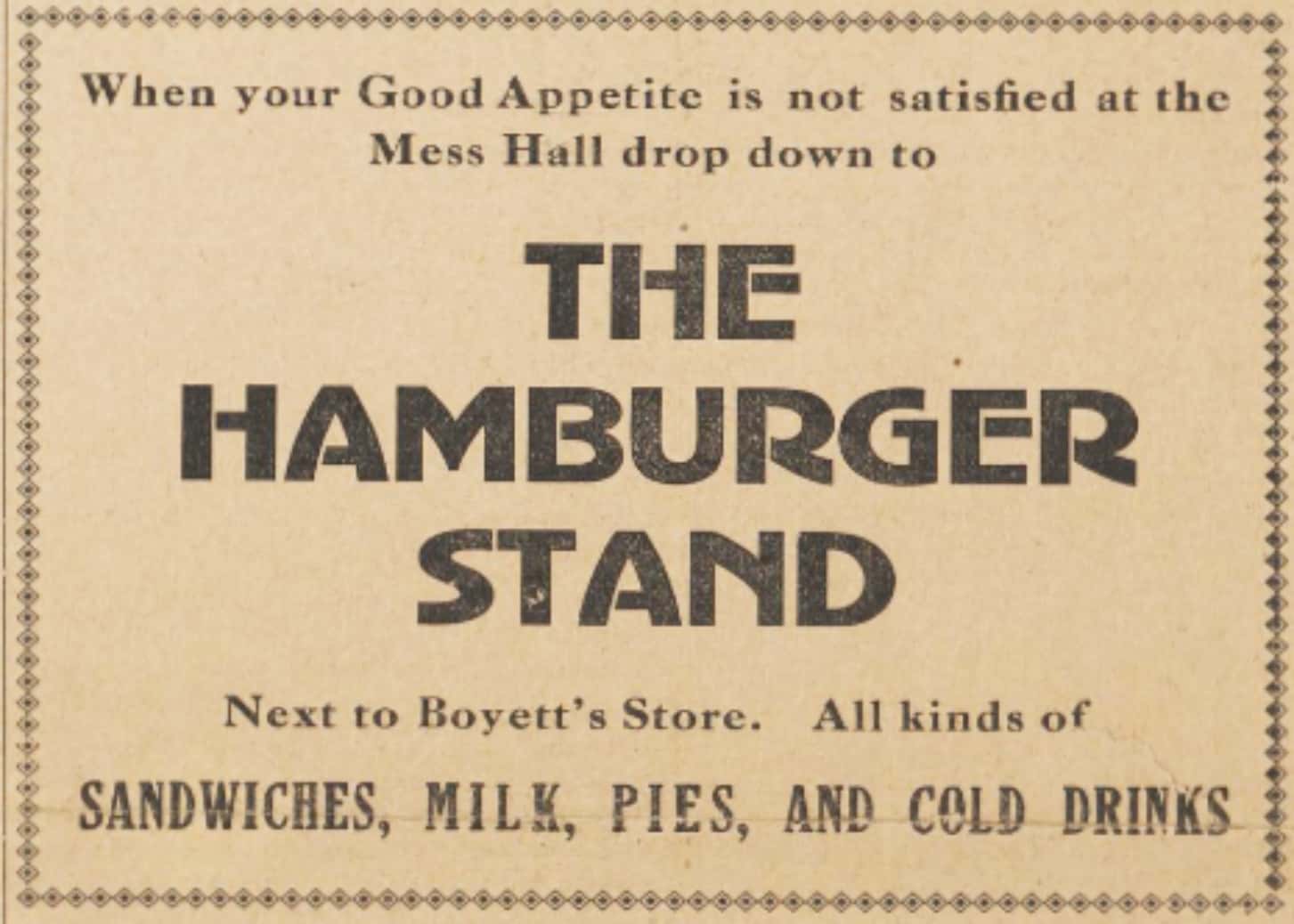
A 1921 photo shows these structures held a post office; a tailor; a store where customers could buy cold drinks, hamburgers and tamales; and a photography studio.
The spot where they stood is today the closed-off pedestrian plaza where College Main Street used to meet University Drive.
And there in the 1921 photo is an actual North Gate of iron and brick. This gate was gone by the 1930s, and perhaps earlier. During this era of Texas A&M’s history, there seem to have been multiple gates along the north edge of campus. They were sometimes closed to keep stray cattle from wandering onto college land, or to keep out unauthorized “jitneys,” which were private cars offering rides, like an early-1900s version of Uber or Lyft.
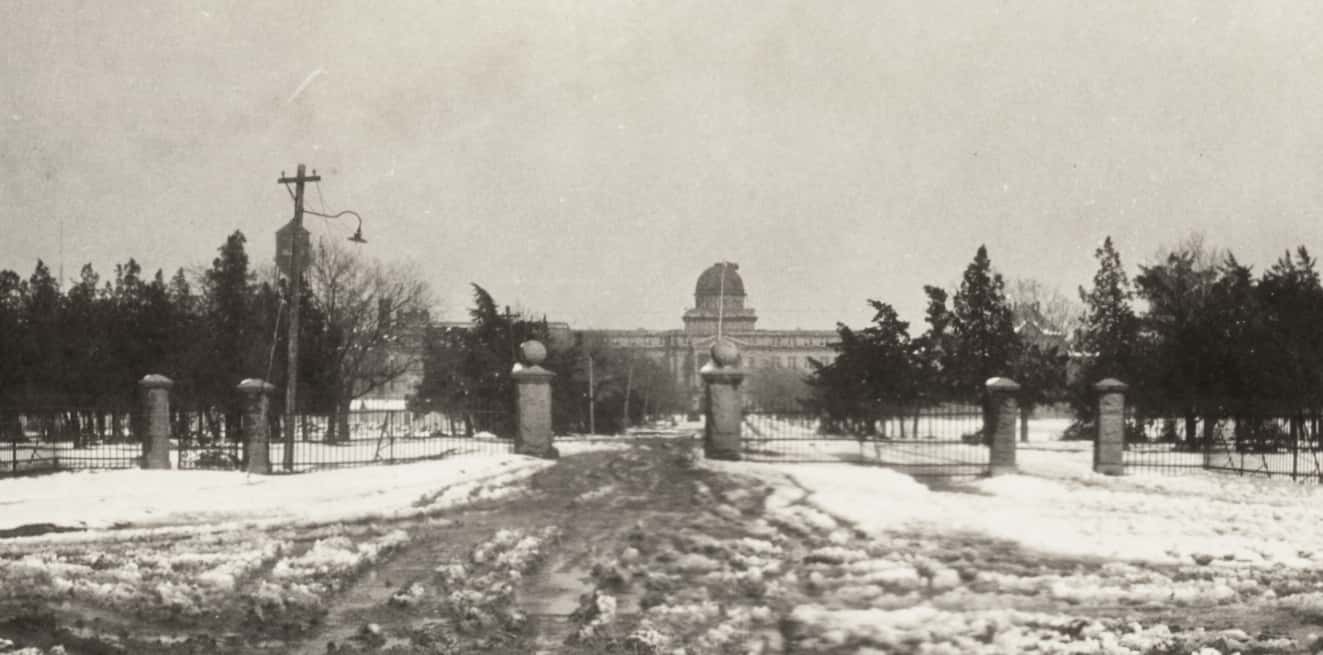
There was also a larger, fancier West Gate from at least 1904 to 1931, standing about where Albritton Bell Tower is now, and marking the original main entrance to campus.
The east and south sides of campus seemingly never had formal entry gates, though the terms Eastgate and Southgate have been applied to those areas.
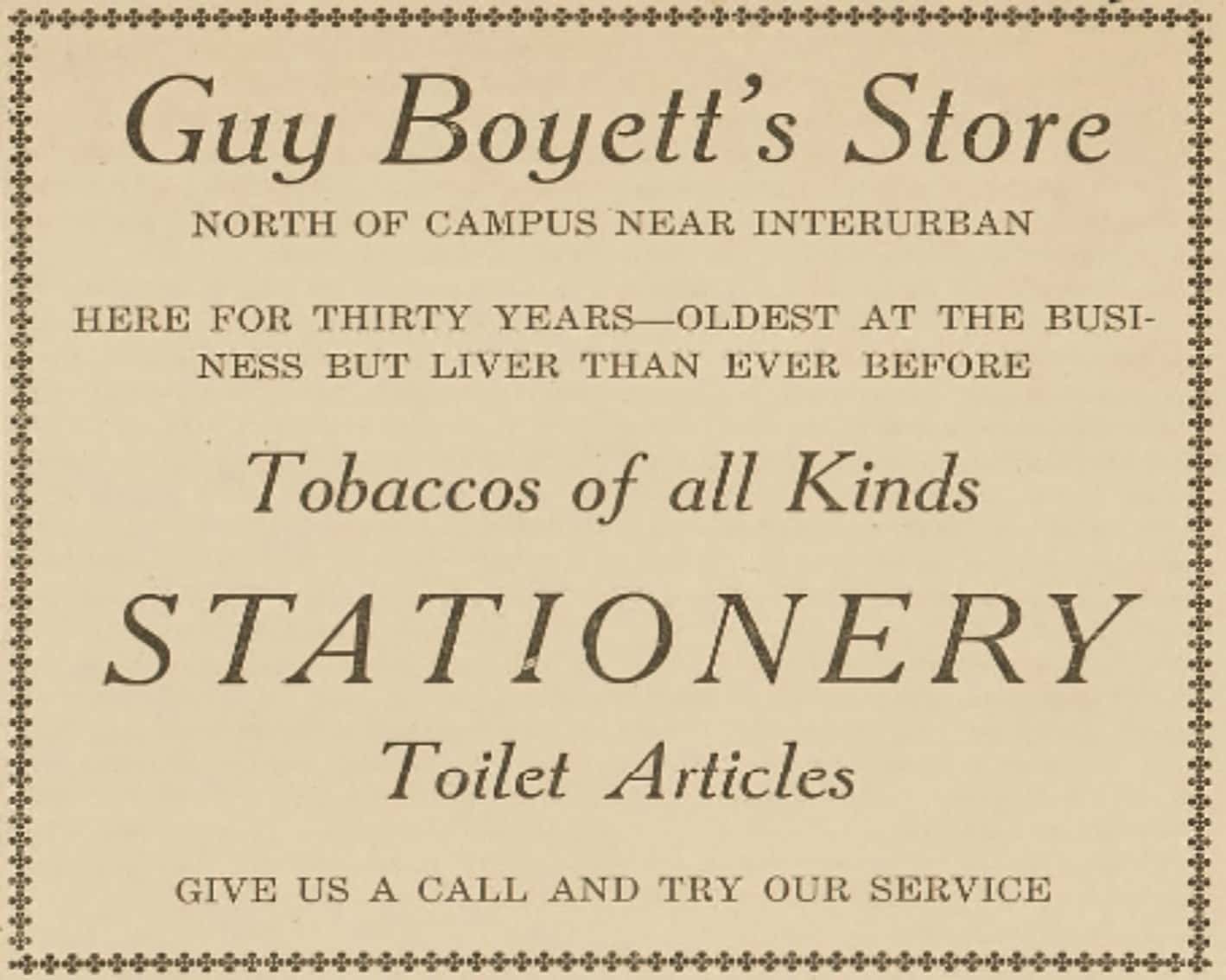
As for Northgate’s original wooden buildings, both of them — the store building owned by W.C. Boyett, who also owned much of the adjoining land, and the photo studio — burned in 1923. The next round of structures would rely more on brick.
A walk through College Station history
Some of College Station’s oldest structures still stand on Northgate.
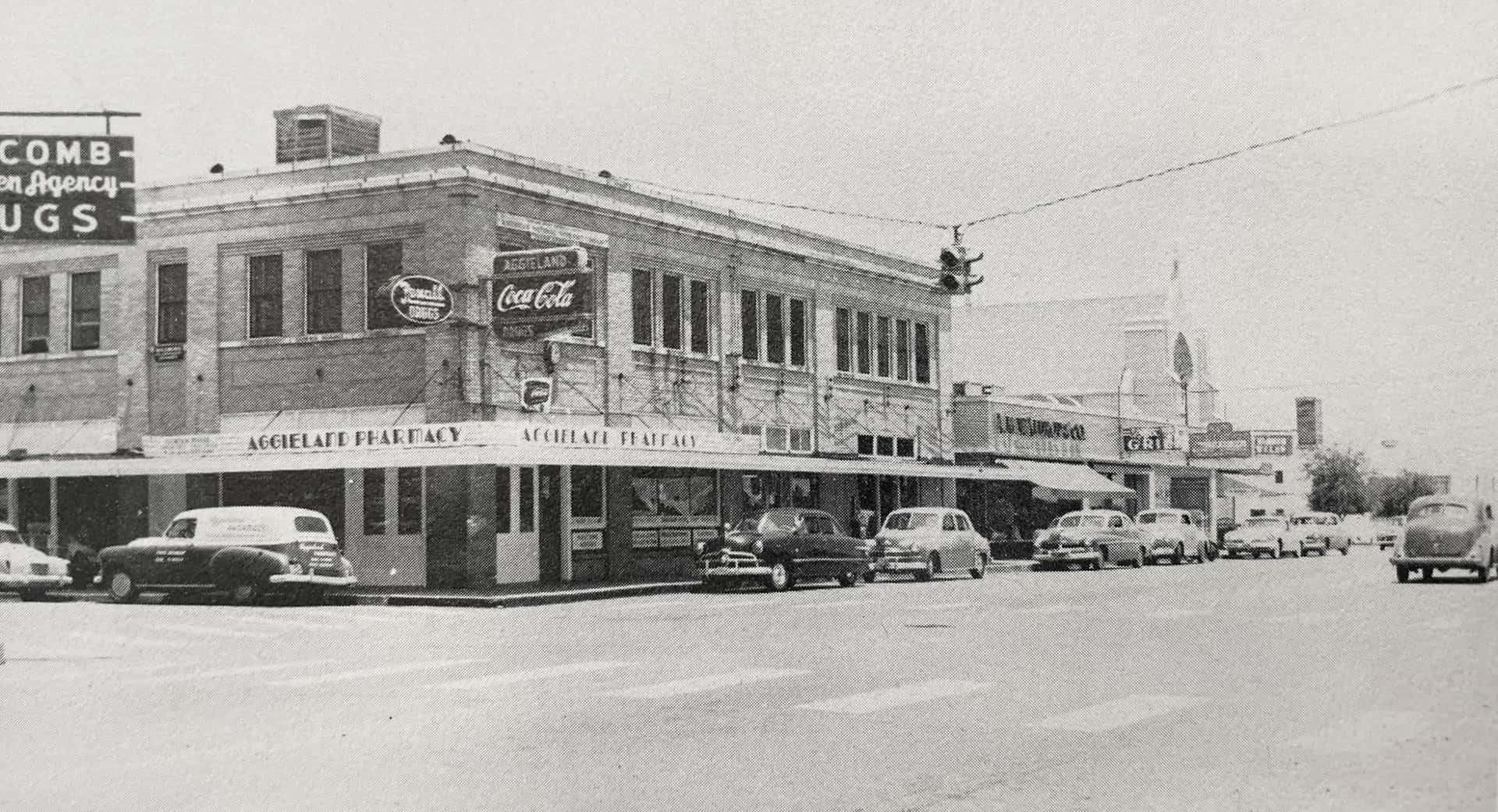
Three years after the “Old West” shops burned, the two-story brick building that currently houses the Corner Bar and Grill went up in nearly the same spot. This structure, the Casey-Sparks building, was built in 1926 by Bill Sparks, Class of 1919, and Jesse Casey, who were partners in a type of convenience store on campus. When their Northgate building opened, it held a clothing store, a pharmacy and the Aggieland Barber Shop.
Across College Main Street is the two-story brick structure (now with a third-story addition) known to many Aggies as the home of Loupot’s bookstore from 1972 to 2012. The store was founded by Judson “Lou” Loupot ’32, who operated businesses, mainly on Northgate, from the 1930s until his death in 1995. Loupot was a staunch Aggie and widely known for helping students in financial straits.
"I remember Ole Army Loupot's Trading Post. One semester I needed a book that Lou had, but I did not have enough money to buy it. Lou said, 'Just use it for the semester and bring it back.'"
Roland Dommert '61
But we also could call this structure the “Kyle building,” which is exactly what it was called in 1936 when the first floor was built by Edwin J. Kyle, Class of 1899, namesake of Kyle Field. It initially held the College Inn and a pharmacy that operated under different names until at least 1969; the second floor was added in 1938.
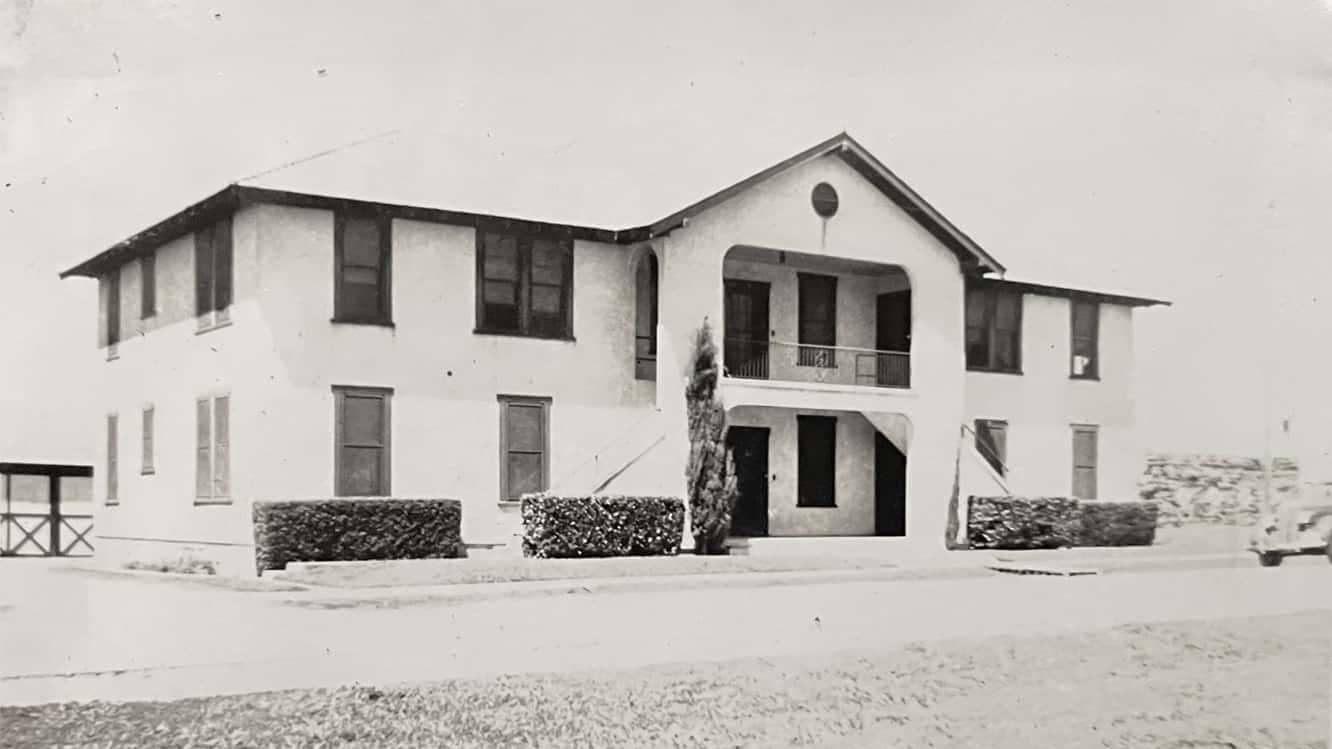
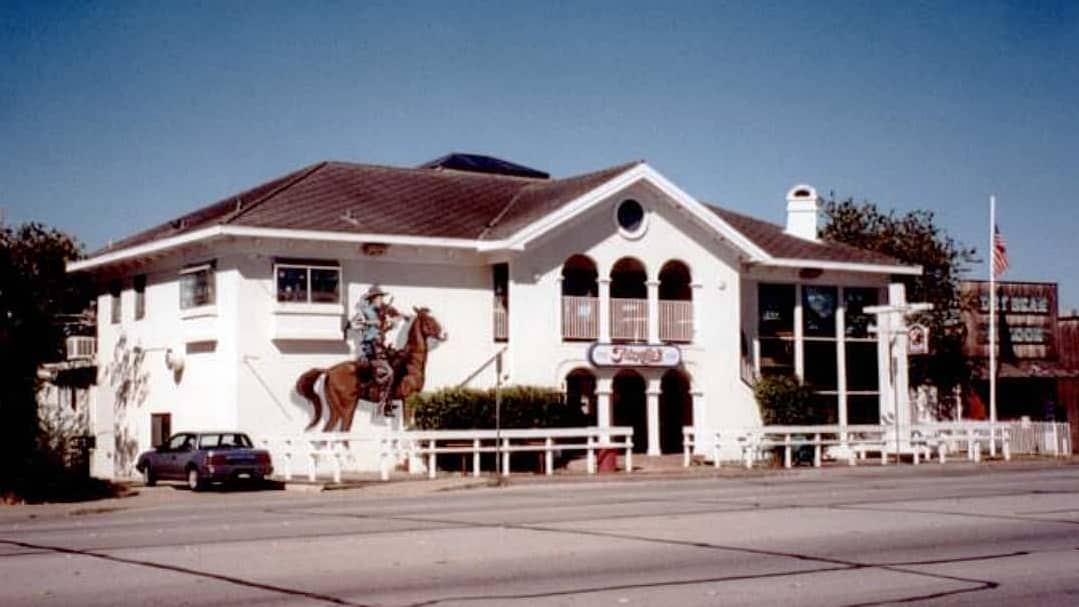
Continuing west — past some of the oldest continuously operating College Station businesses, such as the TXAG Store (opened in 1969 as the Texas Aggieland Bookstore), Duddley’s Draw and the Dixie Chicken — you arrive at the two-story stucco building that two decades of Aggies knew as Fitzwilly’s (1994-2013). It was constructed around 1928 by the Boyett family as an apartment building. It continued to function as apartment housing at least throughout the 1960s, nicknamed “The Alamo” by residents. In recent decades, it has housed various restaurants and bars, including the Flying Tomato (1985-91), Two Pesos (1991-93) and, since 2013, The Backyard.
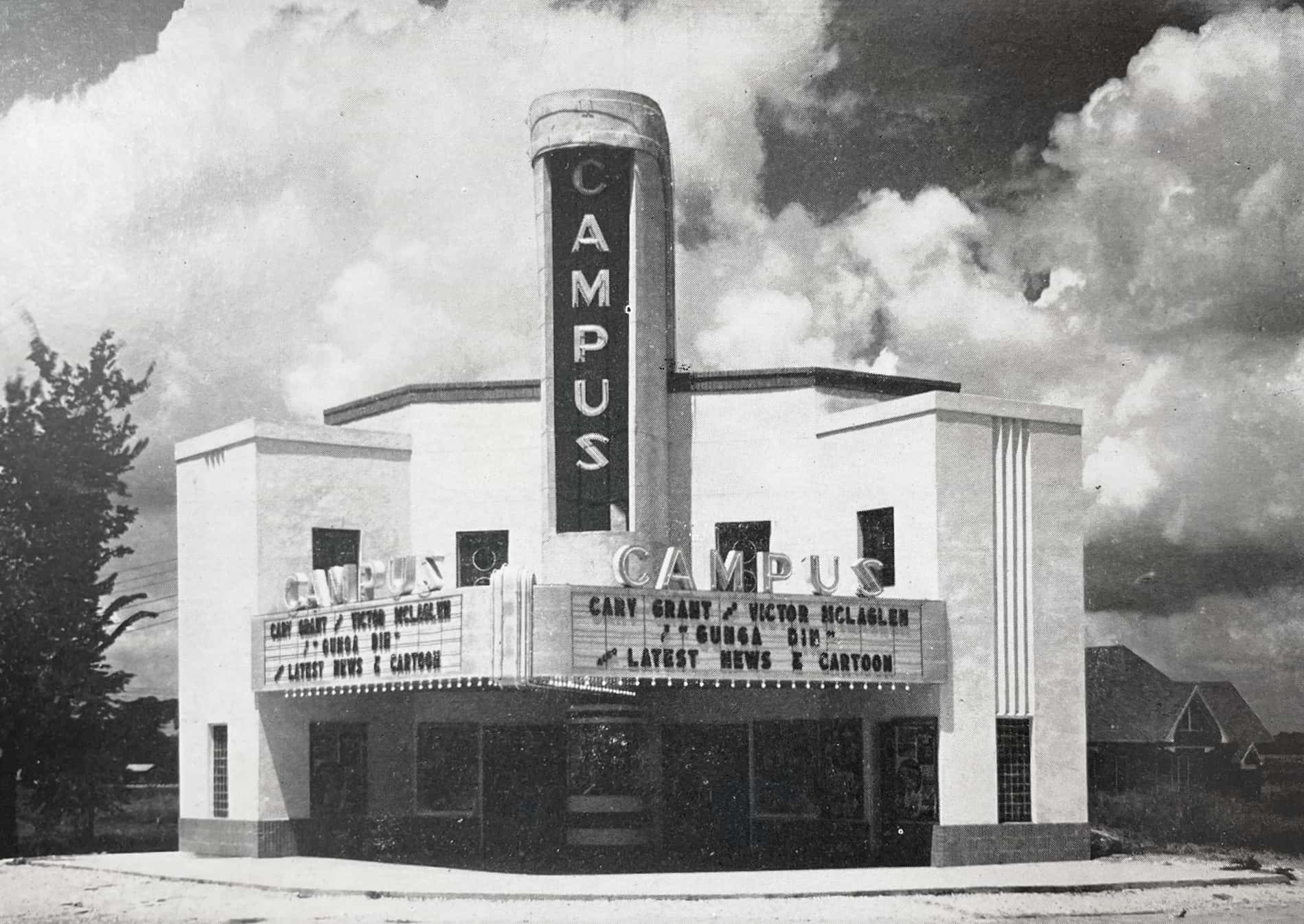
Across Boyett Street is a landmark from 1940:
The Campus Theater, built as an art deco movie house.
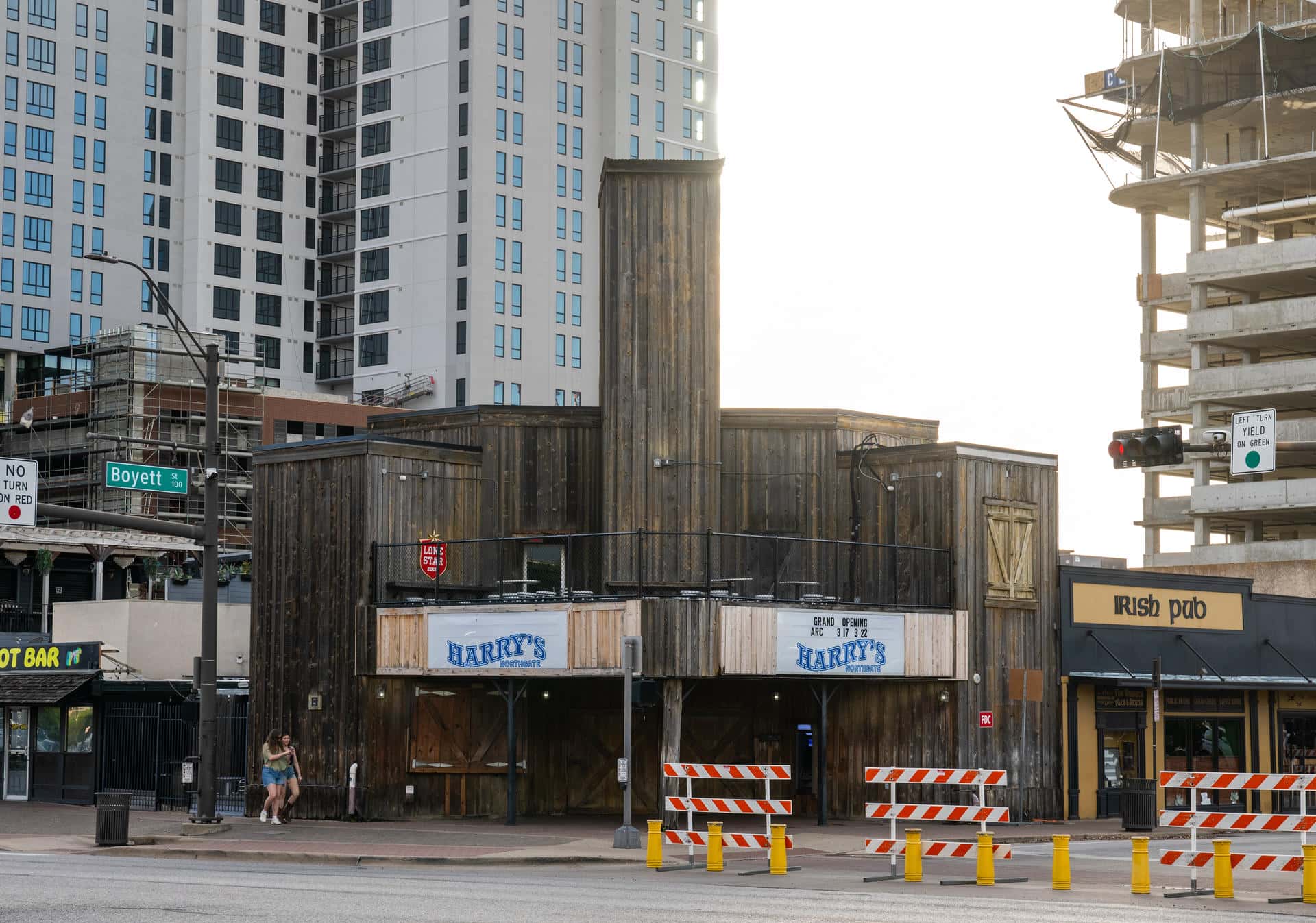
Rustic wood planks have covered its exterior since the mid-1990s, and it has been a country music and/or dance venue since then: Shadow Canyon (1995-2004), Midnight Rodeo (2006-07), Daisy Duke’s (2009-13), Duke’s (2013-14), Boulevard 217 (2014–15) and Shiner Park (2016-25). In March 2026, the location became Harry’s Northgate, a country dance spot opened by former operators of Hurricane Harry’s, which had been a nearby country dance hall and live music venue from 1992 to 2024.
As city grows, some landmarks vanish
From the 1930s through the 1950s, new homes and businesses continued to sprout in the Northgate area. After College Station incorporated in 1938, the city rented a room on Northgate as its first city office; this was on the second floor of the brick building at 113 College Main, which in 1938 housed a photography studio and today holds a Japanese-inspired shot bar called Mama Sake.
In 1947, Northgate became home to College Station’s first free-standing city hall at the west end of Church Avenue; the building later housed the popular Cafe Eccell restaurant from 1989 to 2014, then was demolished to make way for an apartment building.
For more than six decades, Northgate featured different versions of a grocery store that opened in 1925 as the Campus Grocery. Founded by partners Charles Opersteny and Luke Patranella, it was nicknamed the “Luke and Charlie” store. Though it closed in the early 1930s, Opersteny opened Charlie’s Food Market in 1935; this was bought in 1964 by J.E. Robbins, who kept the store’s name and in consequence was himself called “Charlie” by patrons until 1987, when he closed the store (by then named Charlie’s Grocery). Gary Brumback ’79 recalls that during Thanksgiving of his freshman year, he stayed in his vacant dorm while others went home:
"It seemed like I was the only one left on campus that weekend, so I spent a great deal of time conversing with 'Charlie' at his grocery. He was very kind and made sure that I wouldn't feel so homesick."
Gary Brumback '79
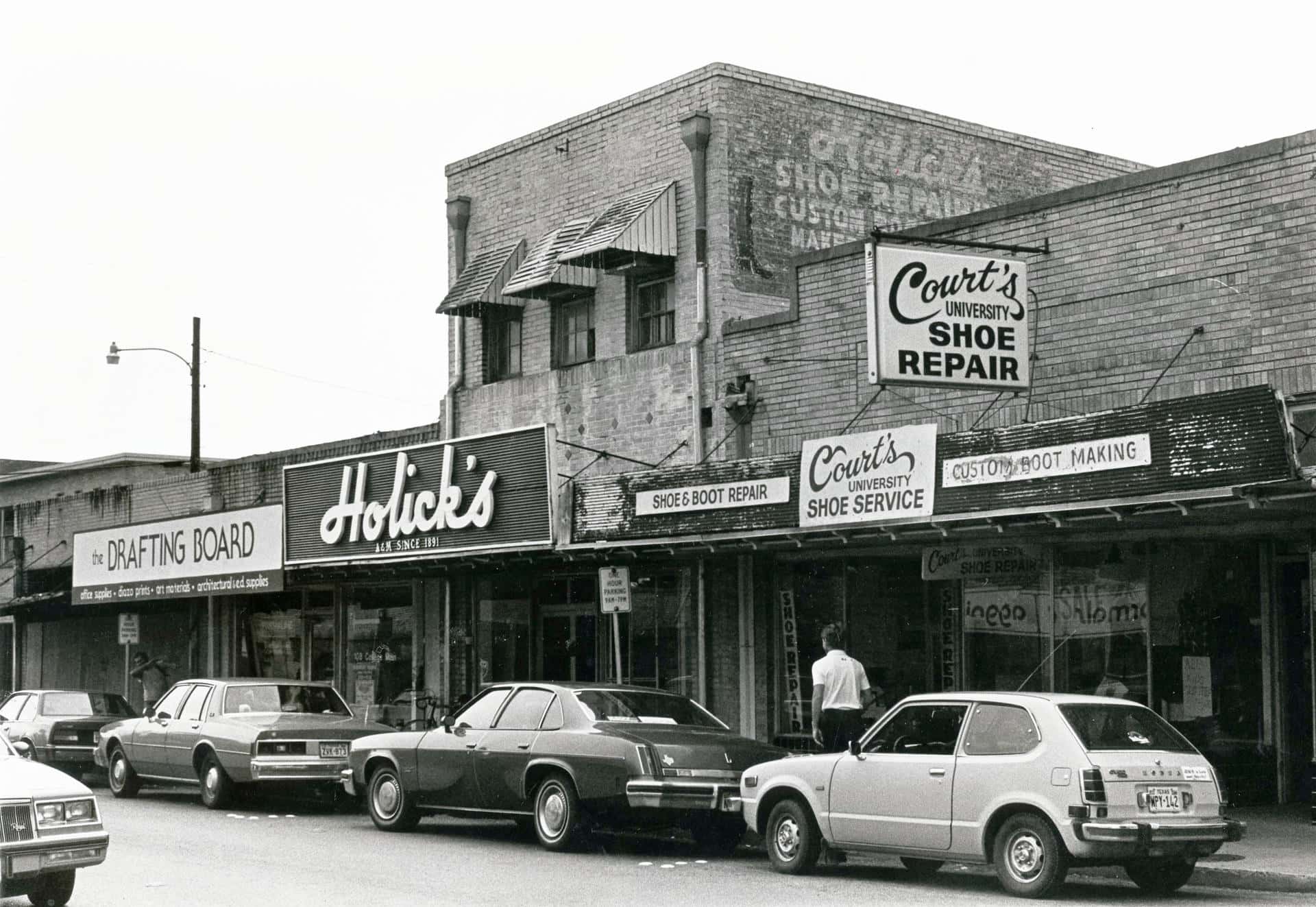
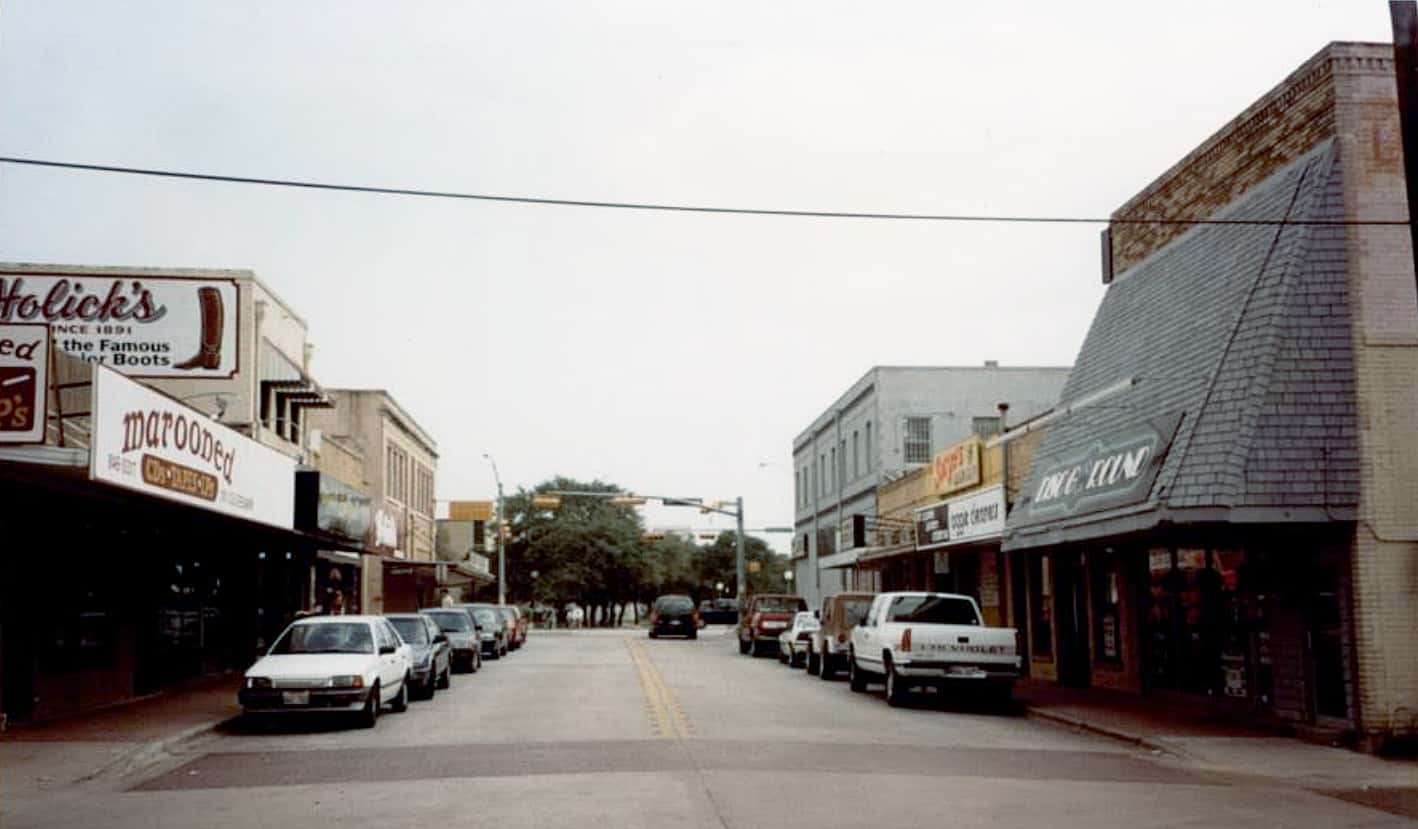
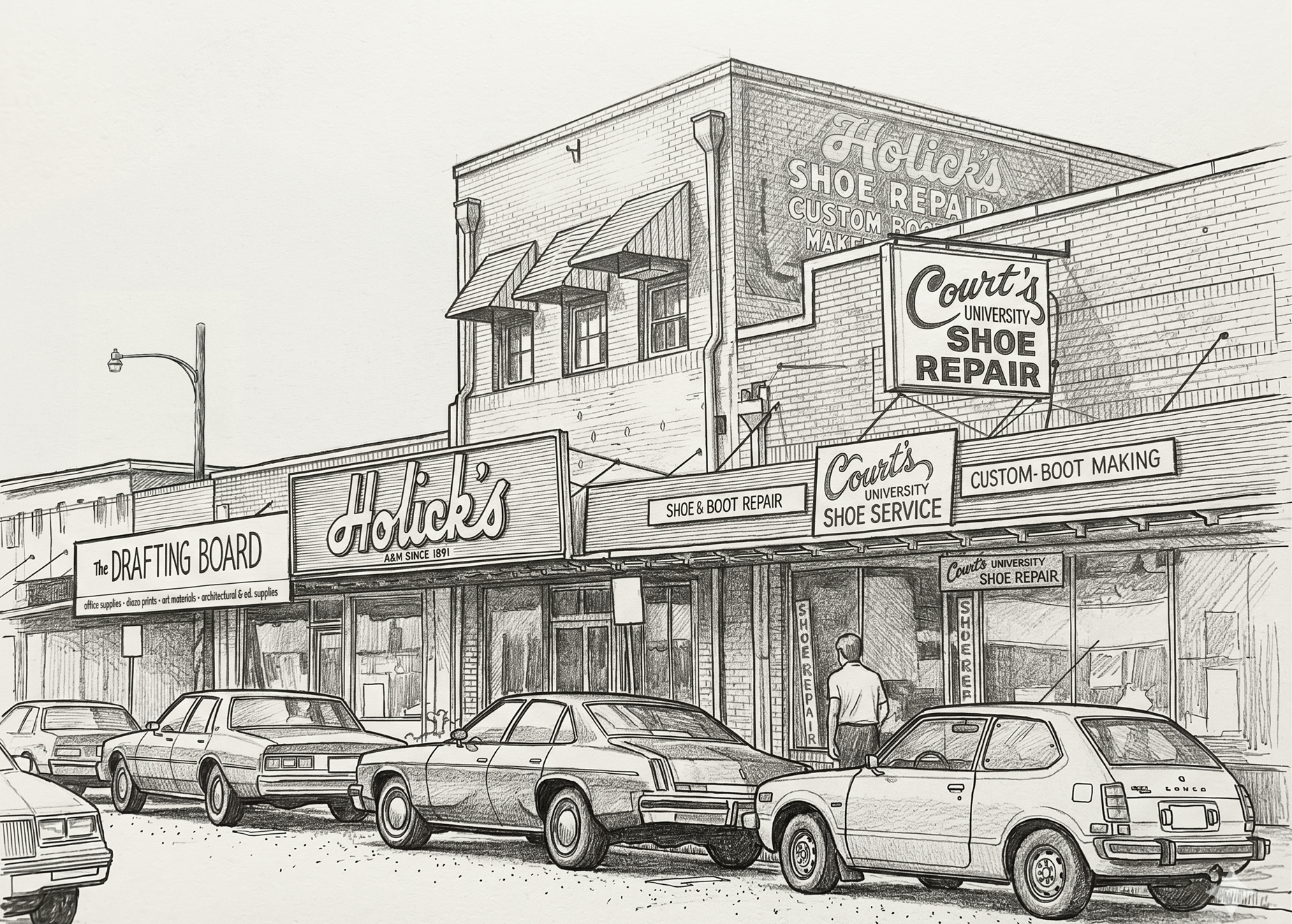
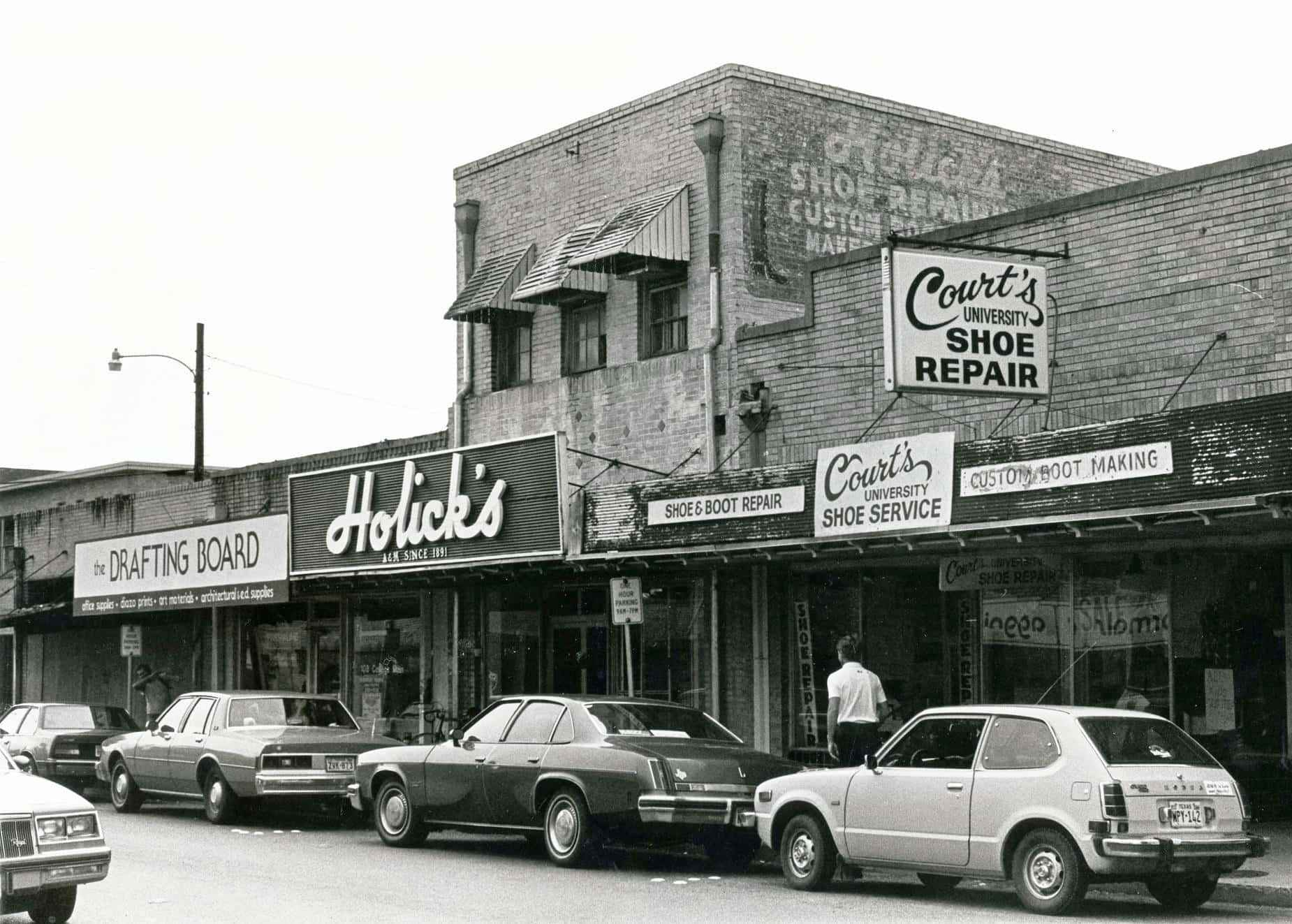
One of the original makers of Aggie senior boots, Joseph Holick, moved his shoemaking business off campus in 1931 into a building he constructed on Northgate. Holick’s occupied its historic building at 106 (now 115) College Main until moving to a Wellborn Road location in 2006.
Many Aggies have fond memories of the Cow Hop burger restaurant, which opened in 1978, moved off Northgate in 1993 and briefly returned to its previous location under new ownership 1996-2001. The Deluxe Burger Bar, later called Deluxe Diner, anchored the west end of Northgate’s front row from 1983 to 2006; since 2013, the same building has housed Chimy’s Cerveceria, where Heisman winner Johnny Manziel ’15 bought a round of drinks for the whole place after he was drafted into the NFL.
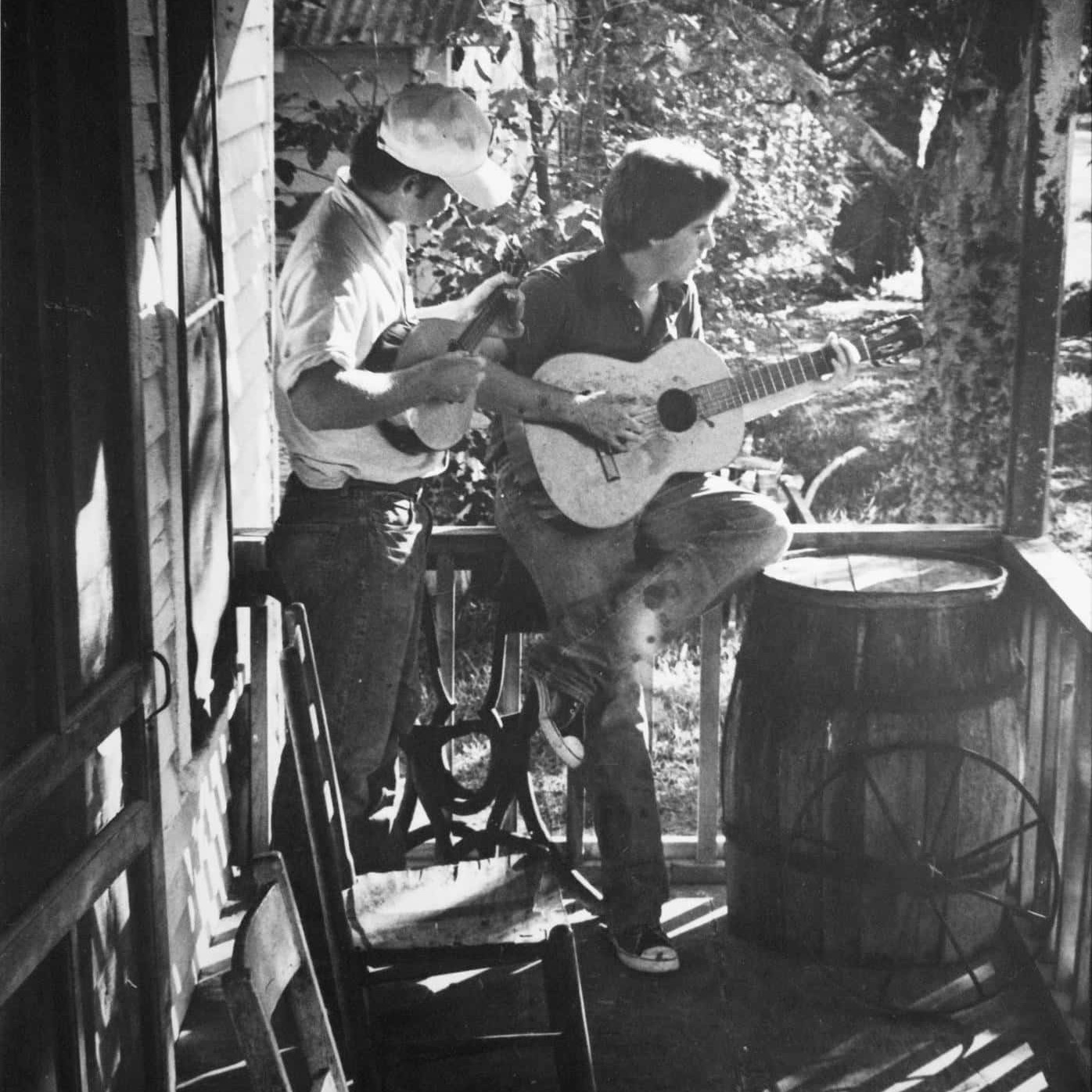
College Station’s most famous front porch used to stand at 302 Church Ave. There, Robert Earl Keen ’78 rented a house from landlord Jack Boyett (whose uncle had owned Northgate’s first wooden store), and friends including Lyle Lovett ’79 would come by to play music and hang out.
Lovett and Keen immortalized the spot in The Front Porch Song, which they co-wrote around 1978. The house is long gone, and the city parking lot behind the Dixie Chicken now occupies the site. See more photos, maps and other locations in the song at tx.ag/FrontPorchSong.
Speaking of Church Avenue: For a district now known mostly for its nightlife, Northgate has long had a hefty share of churches. This began in 1923, when a First Methodist tabernacle was built; today, it is A&M United Methodist Church. A Catholic chapel built in 1927 has grown into St. Mary’s Catholic Center. Today, there are at least seven churches and religious centers in the area, many of them indeed located on Church Avenue.
Lend your support
Gifts of any size made to The Association of Former Students help support ongoing work to keep Aggies connected through stories like this, multimedia communication and programs for current and former students.
Make A GiftThe Chicken has landed
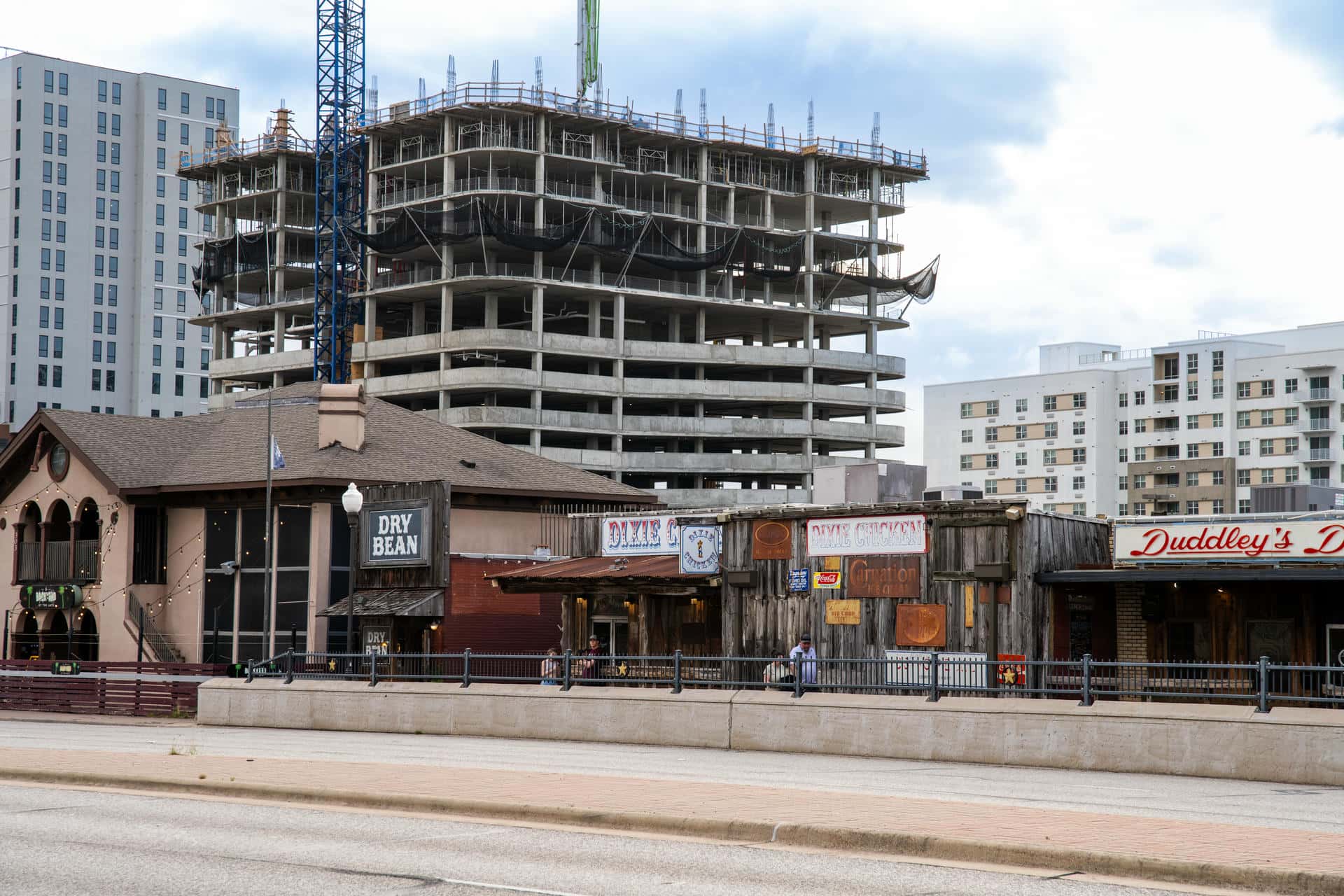
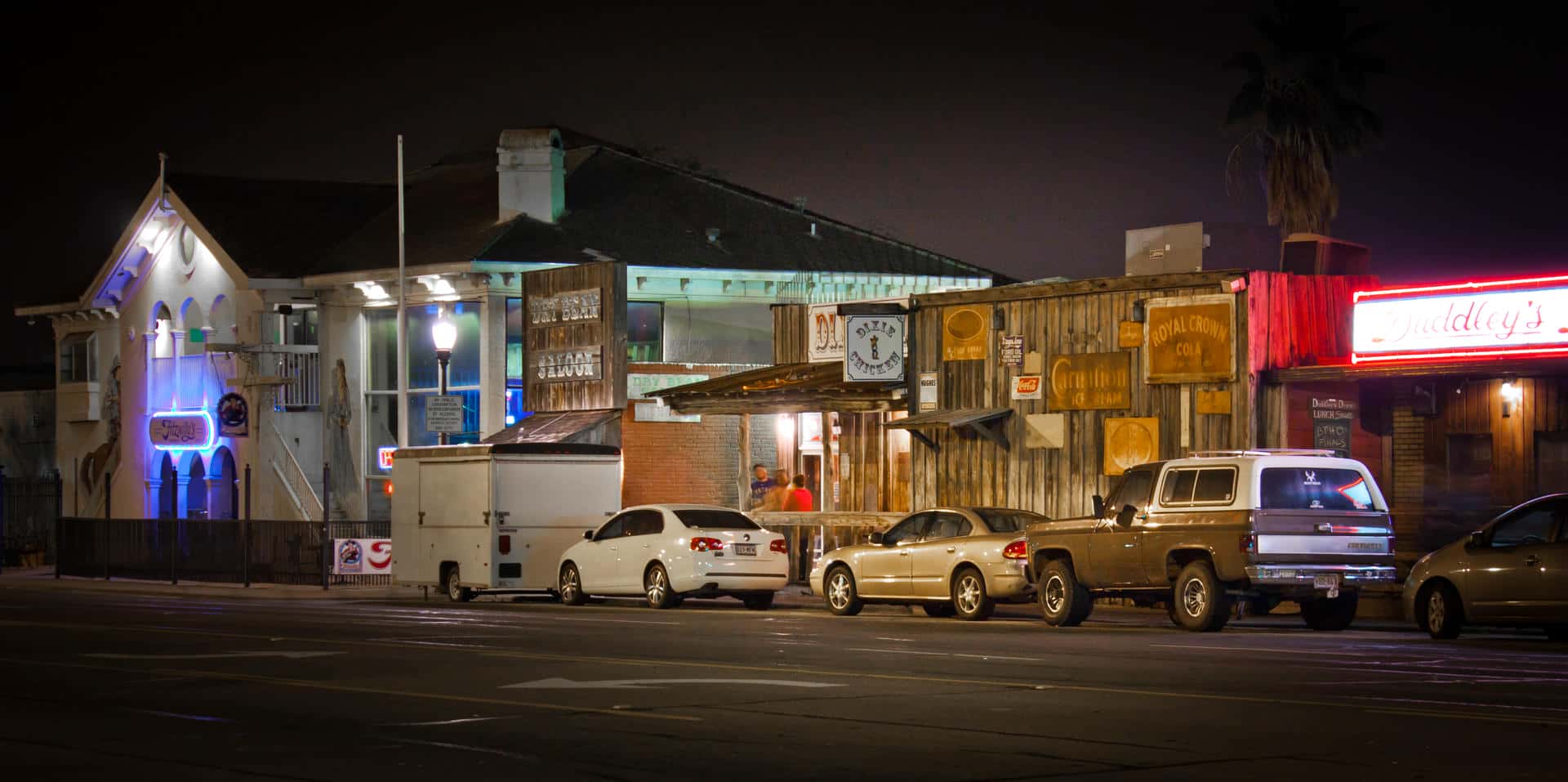
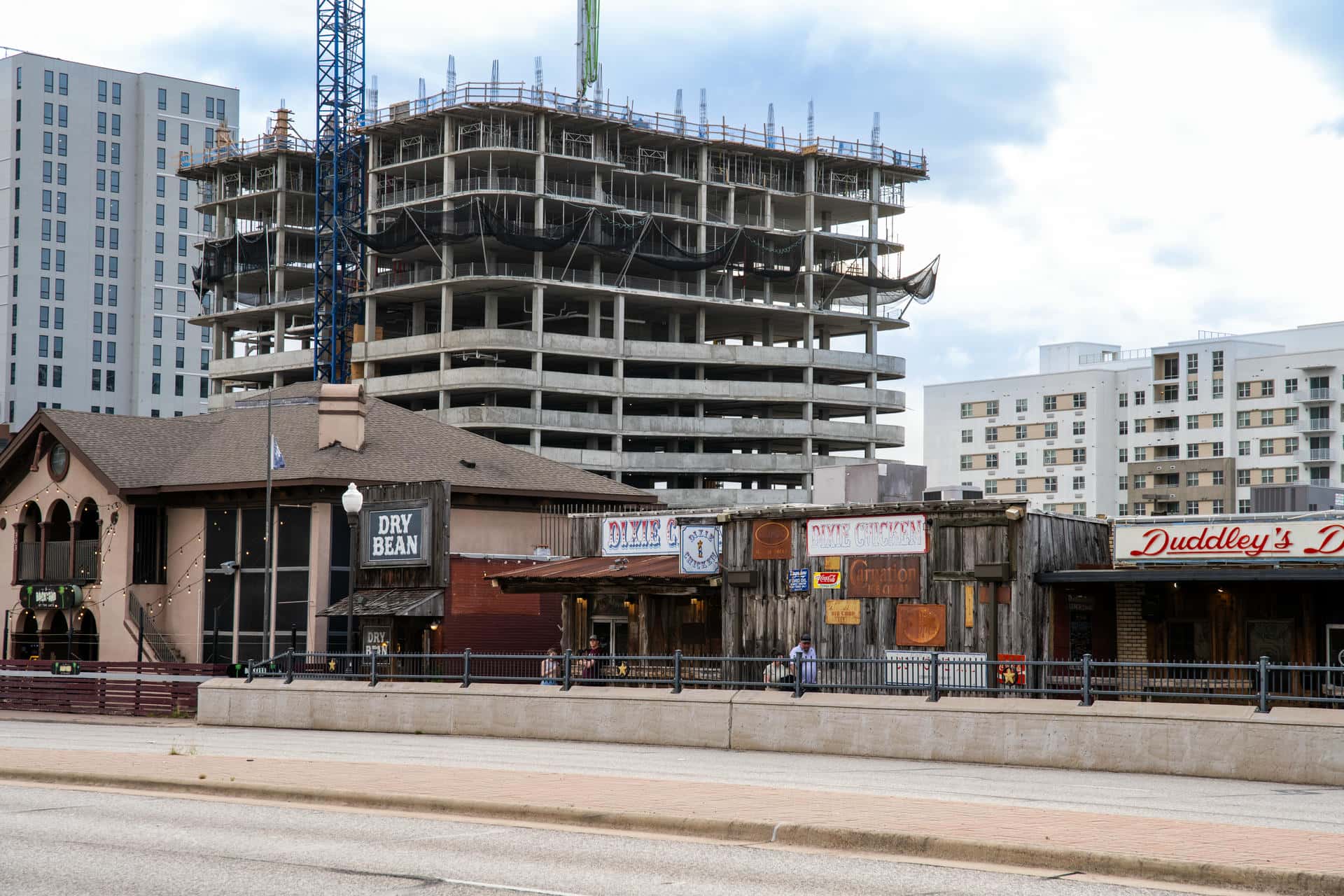
The rise of Northgate as an entertainment district took a leap forward in 1974, when Don Ganter and Donnie Anz ’70 opened the Dixie Chicken, named after a song by the rock band Little Feat.
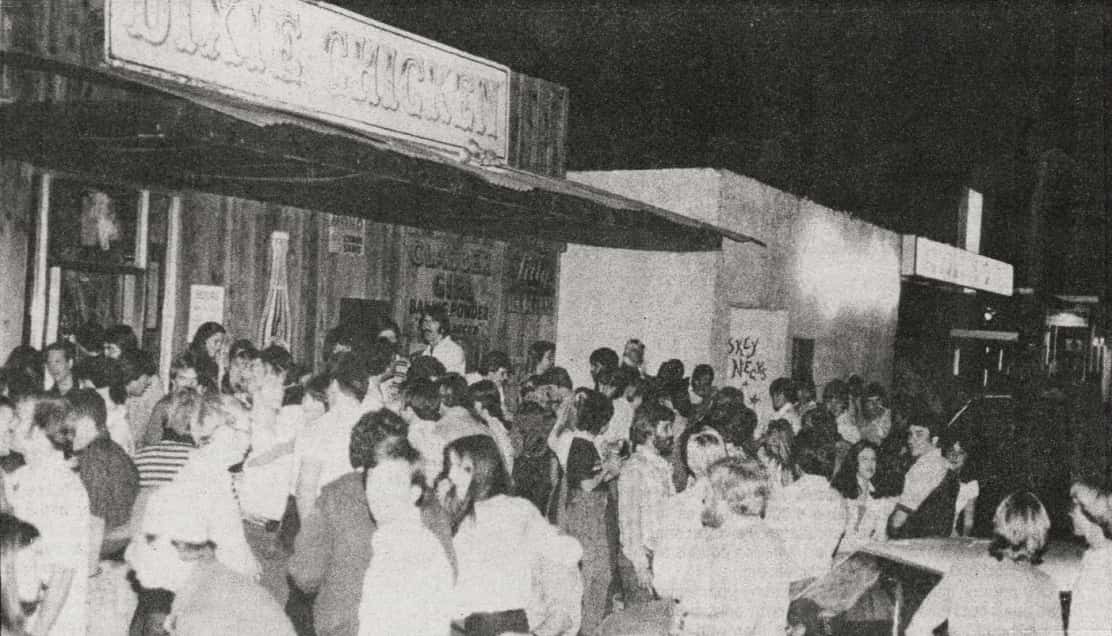
They based the Chicken’s decor of “weathered wood, vintage beer signs and dusty deer heads” on pictures of the Luckenbach dancehall featured on Jerry Jeff Walker’s ¡Viva Terlingua! album, according to Texas Highways magazine. Its Bottlecap Alley began as a practical solution: Ganter told The Battalion in 1996 that he began depositing bottlecaps to fill a mud hole in the alley when property owners wouldn’t let him pour gravel.
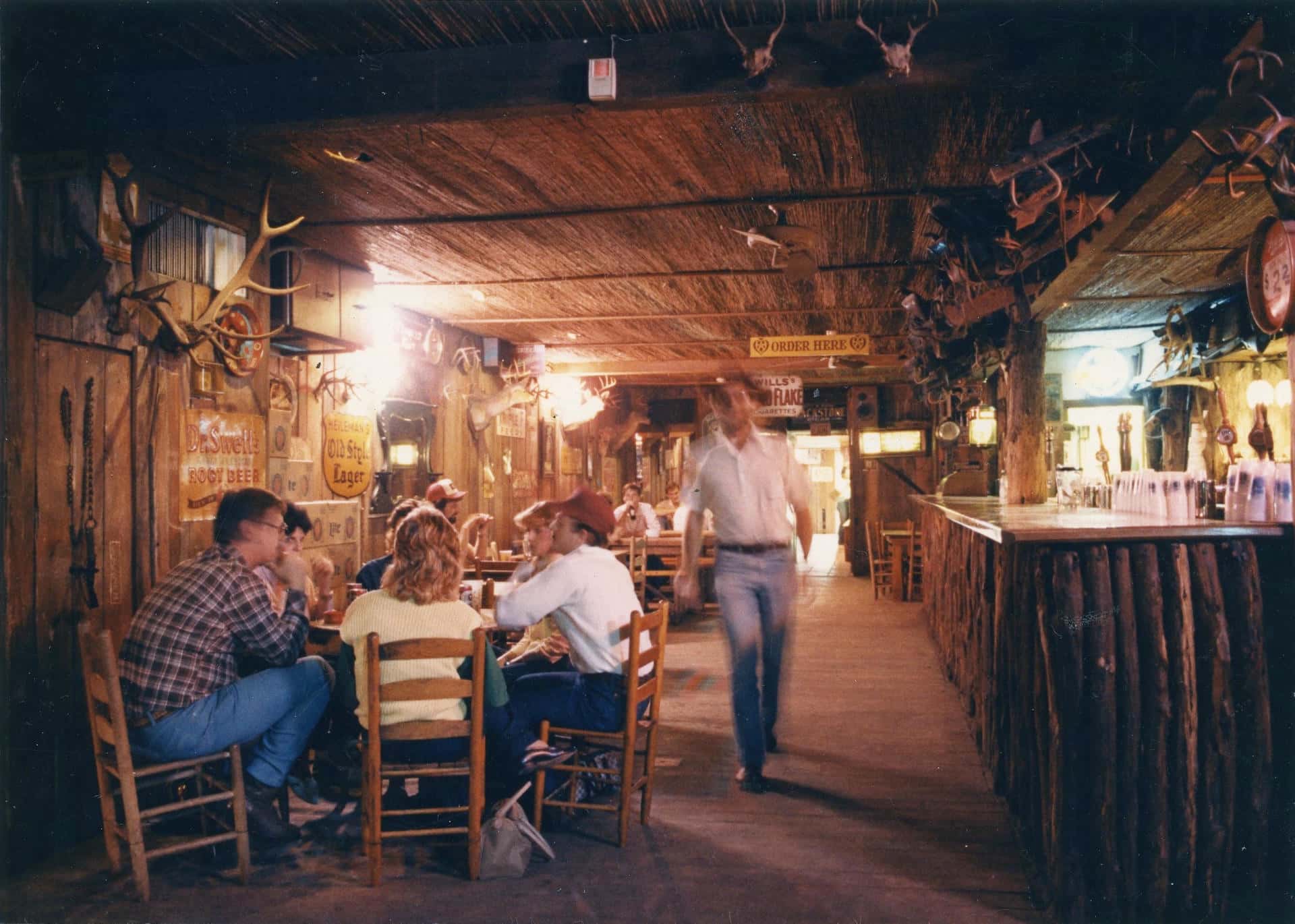
Next door, Duddley’s Draw may be Northgate’s second-oldest still-operating bar, having opened in 1977.
Around this time, Northgate was also home to street carnivals. In August 1975 and 1976, Northgate businesses blocked off roads and welcomed students returning for the fall semester with live music and entertainment, game booths and prizes.
A few decades later, the Northgate Music Festival (which began in 1998 as North by Northgate) brought 100 to 150 bands to Aggieland most years in the 2000s, raising money for local charities.
Upgrades and high rises
City leaders put energy and money into improving the look of the Northgate area in the 1990s and 2000s.
A major project that concluded in 1998 renovated the area behind the Chicken, creating the brick-paved Patricia Street Promenade with archways and covered areas. “Gone is the free mud and shell parking lot,” The Eagle wrote; it had been replaced with “a paved, paid parking lot.”
In 2001, the city opened its four-story Northgate parking garage. Street parking along University Drive ended in 2012, when city and state efforts improved sidewalks and added a barrier between pedestrians and traffic. Part of that 2012 work included closing the section of College Main that intersected University and making it into a pedestrian plaza.
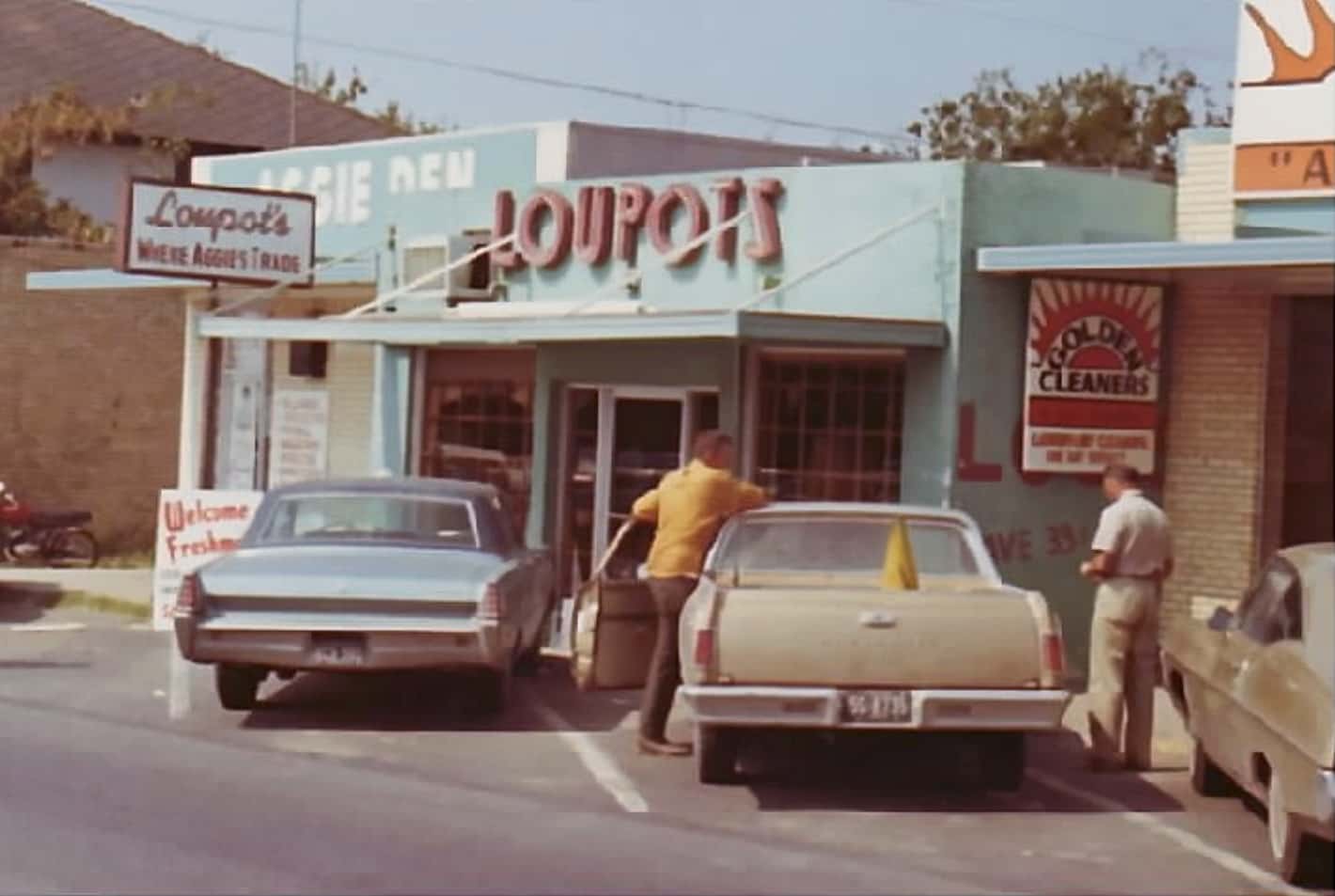
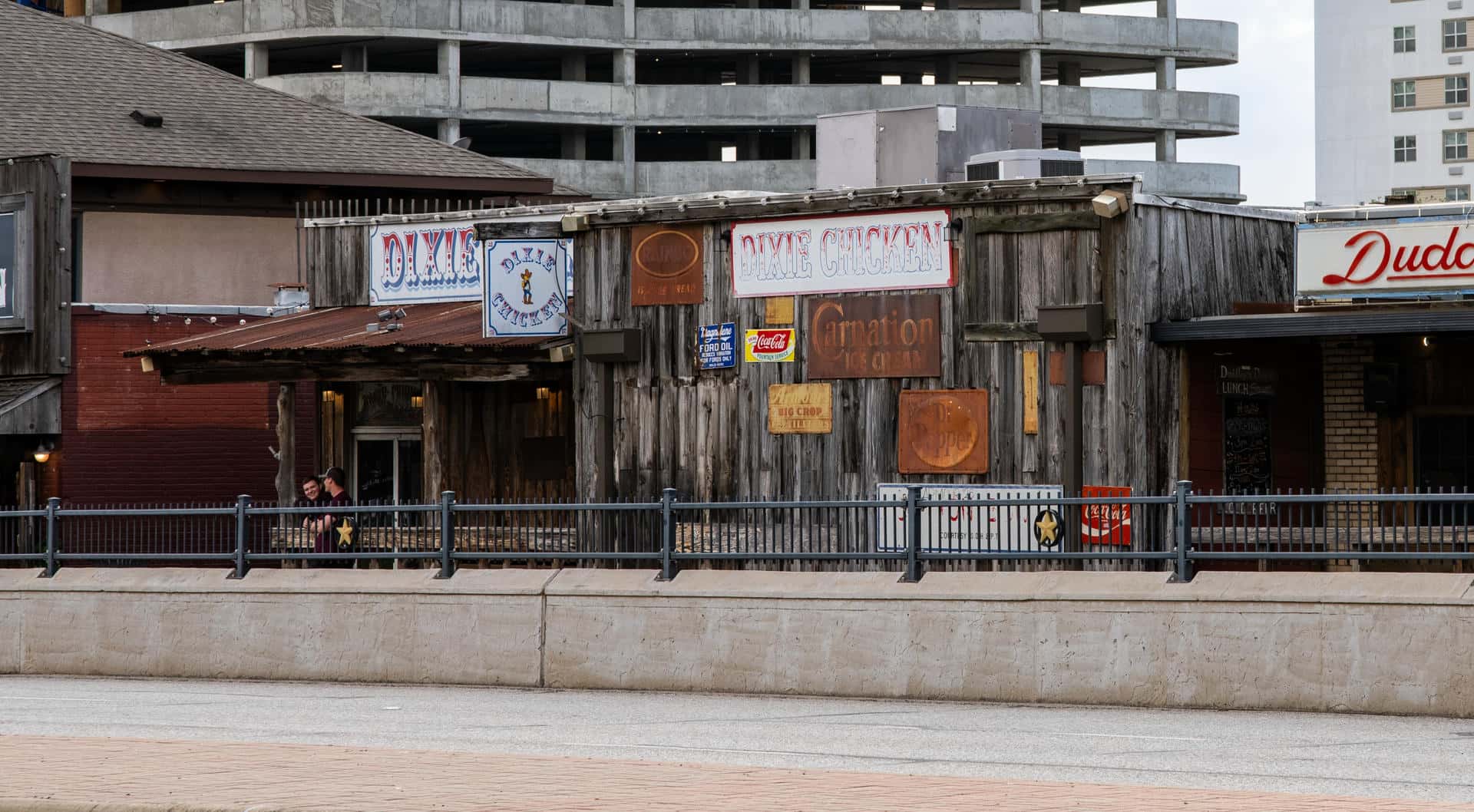
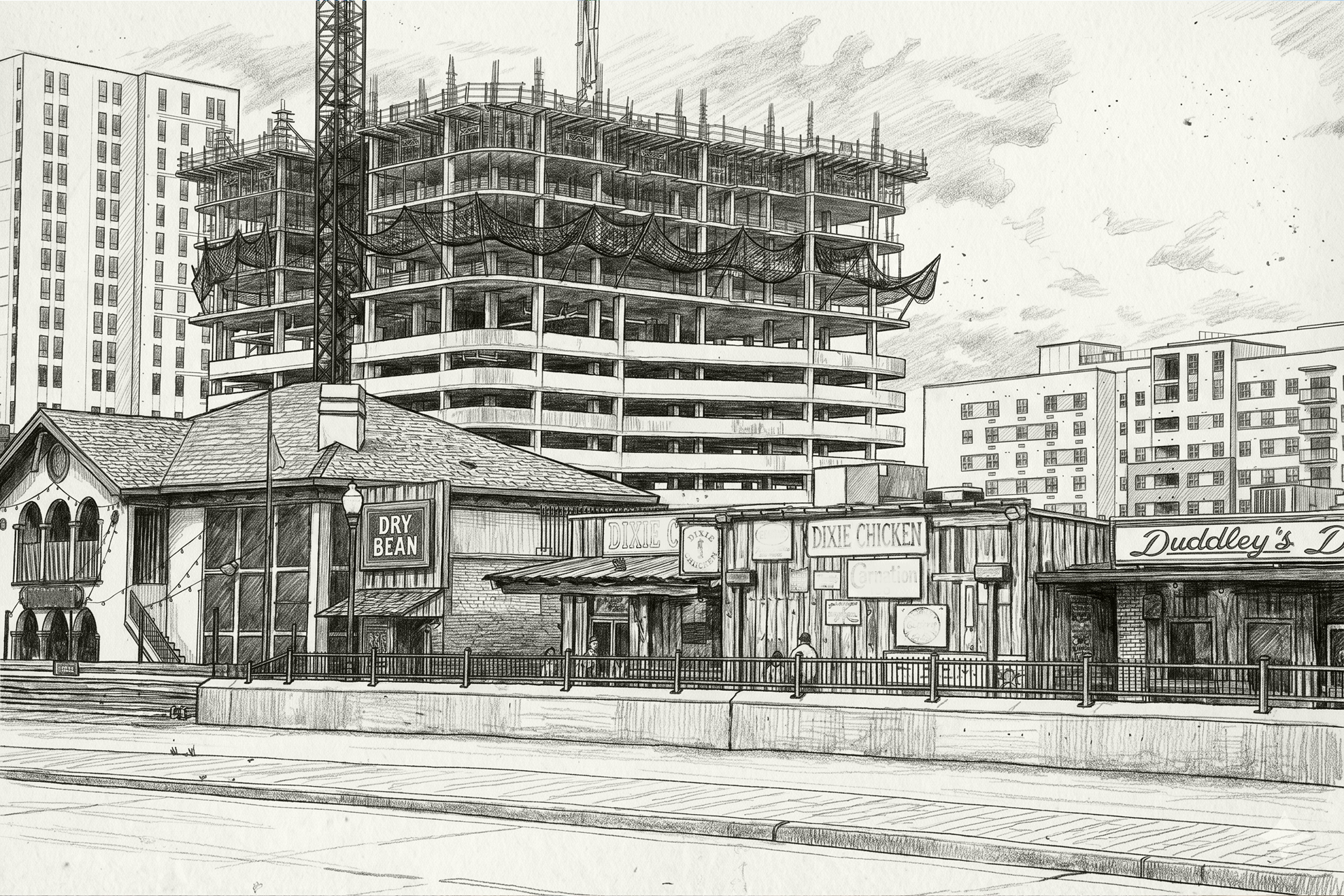
Today, undoubtedly the biggest visual change to the area is high-rise student housing.
Initially, a trend of “private dorms” in College Station began outside Northgate: A hotel on Texas Avenue was converted to the University Tower dorm in 1989, and Callaway House opened in 1999 on George Bush Drive. These offered maid service as well as a cafeteria or dining facility.
The trend came to Northgate in 2001 with the opening of the five-story Tradition at Northgate complex, more like regular apartment living but still student-focused with study rooms and TV lounges.
2013 saw the opening of the six-story Stack and 18-story Rise at Northgate. And more followed. In the 2010s, Northgate gained at least five more apartment complexes of four to eight stories.
Five high-rise student buildings, ranging from 11 to 19 stories, went up from 2018 to 2026. With more projects underway, including a 24-story tower in the Legacy Point development off College Avenue, there will soon be more than 15,000 residents in the district that began with wooden storefronts.




Take your own walking tour
Explore Northgate’s history, architecture, businesses and Aggie traditions through Visit College Station’s interactive field guide, built in partnership with this story.
Presented by:

Memory lane
See what businesses were on the "front row" of Northgate in years past.
Tracking Northgate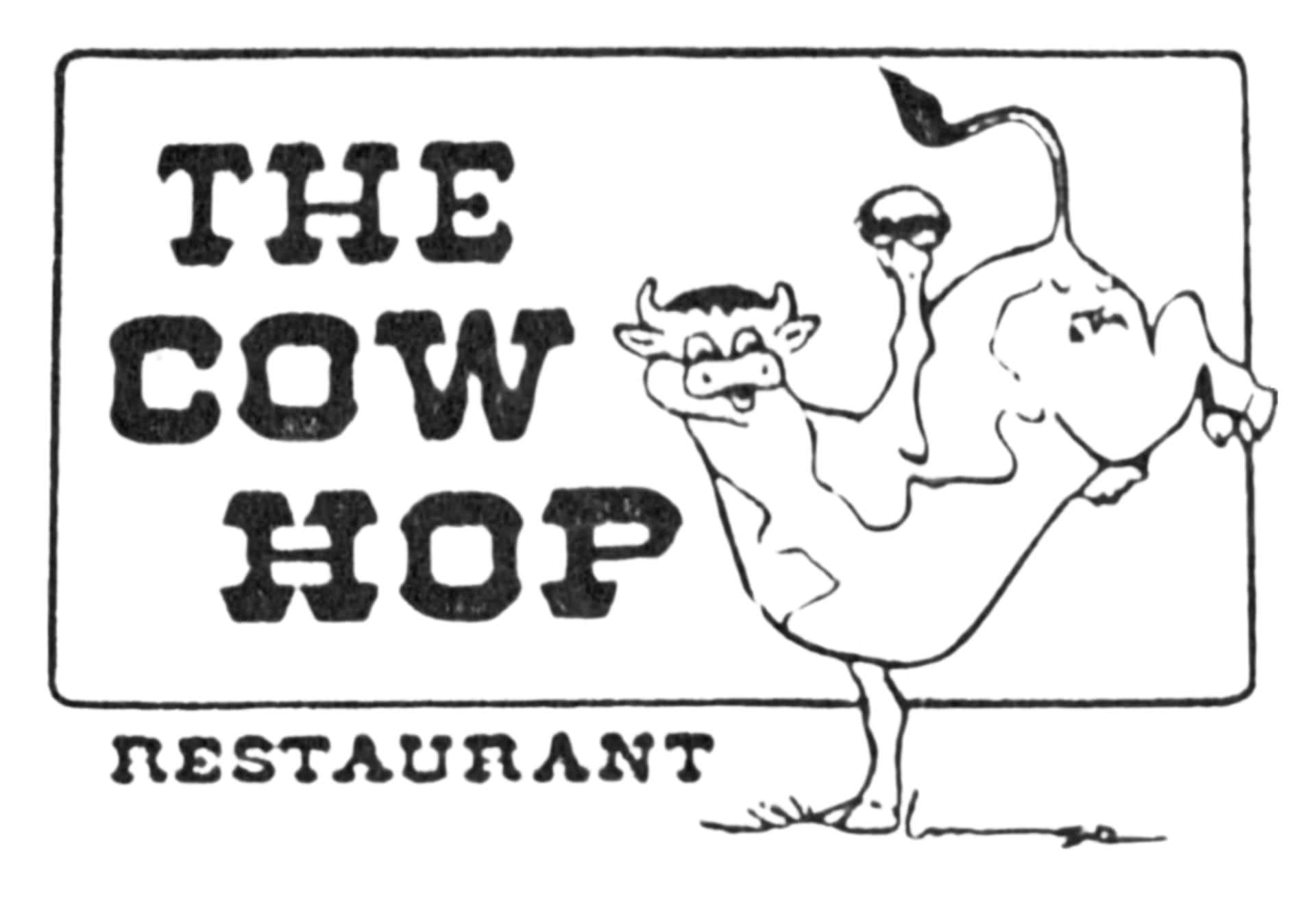
The Cow Hop
Burger joint on Northgate 1978-93, on South College Avenue 1993-96 and back on Northgate 1996-2001.
"They had the best hamburgers in the world as far as we were concerned. And you could walk there. You didn't have to go get your car from across the tracks in outer Mongolia!!"
Ada Fay Young '85
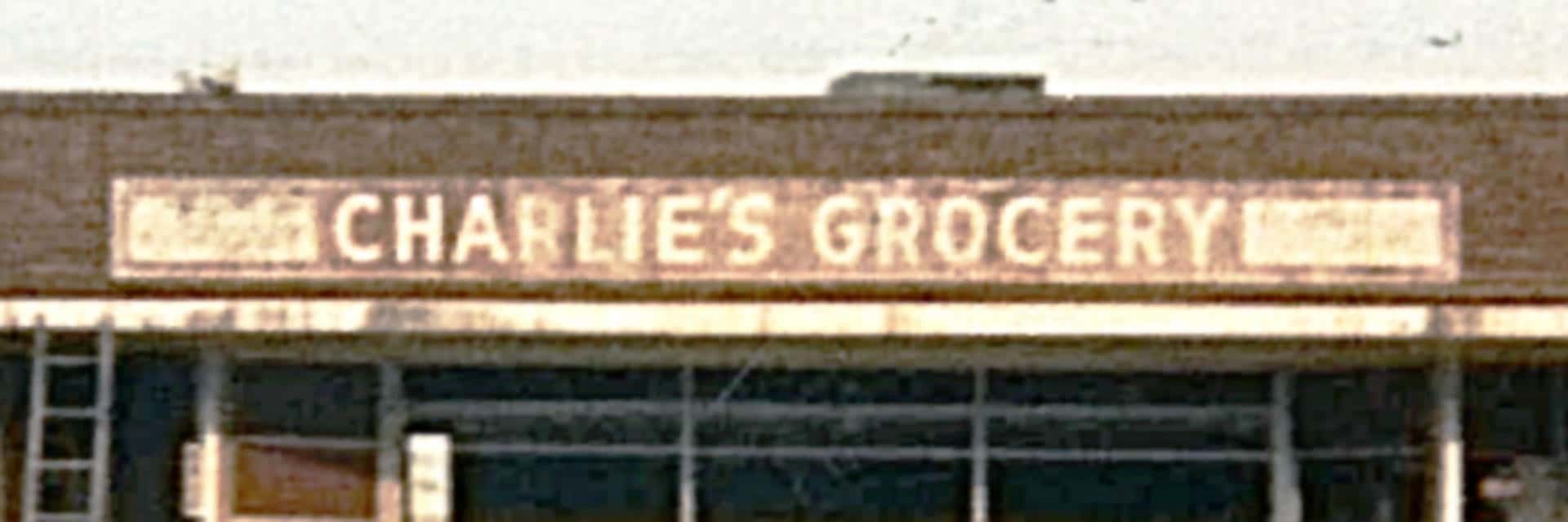
Charlie’s Grocery
Store whose first iteration opened on Northgate in 1925. Moved several times; from the early 1960s to closure in 1987, it occupied 321 University Drive, now part of the TXAG Bookstore.
"My husband Jeff '83 and I '82 had our first date at Charlie's — it was happy hour for Blue Bell Ice Cream."
Molly Johnson '82
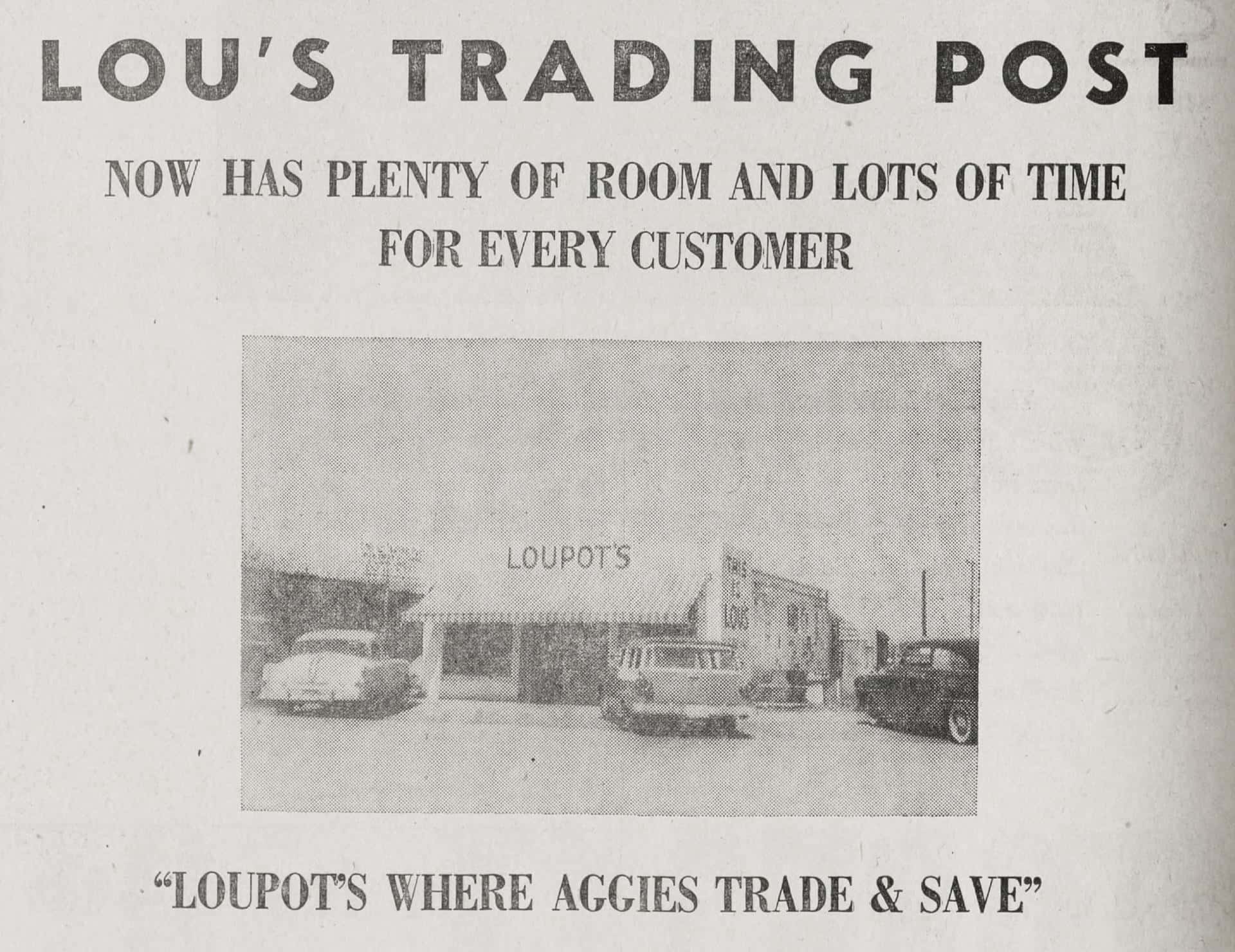
Lou’s Trading Post / Loupot’s Bookstore
Occupied different Northgate locations between the 1940s and 2012.
"When you went in, he greeted everyone, 'Howdy, Aggie!'"
Tony Touchon '66
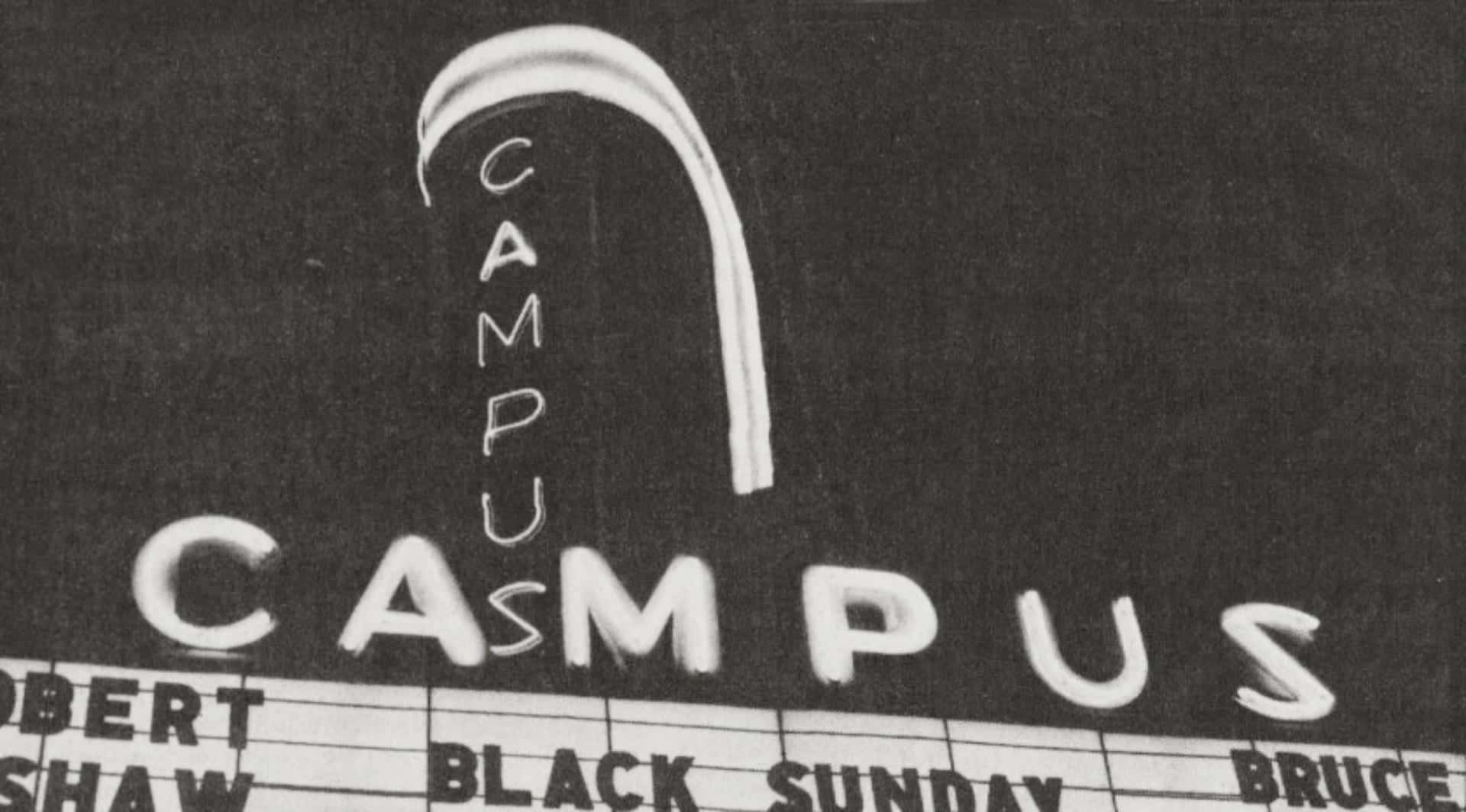
Campus Theater
Built in 1940; today, its building houses the new Harry’s Northgate country dance venue.
"Aggies would heckle the movies as they were playing. The one I remember was in the movie 'Helen of Troy,' Ajax boomed out, 'I'm Ajax.' This was the name of a scouring powder with widespread TV advertising. When Ajax boomed out his name, the audience replied, 'Boom boom,' which was the phrasing in the advertising."
Robert B. Miller '60
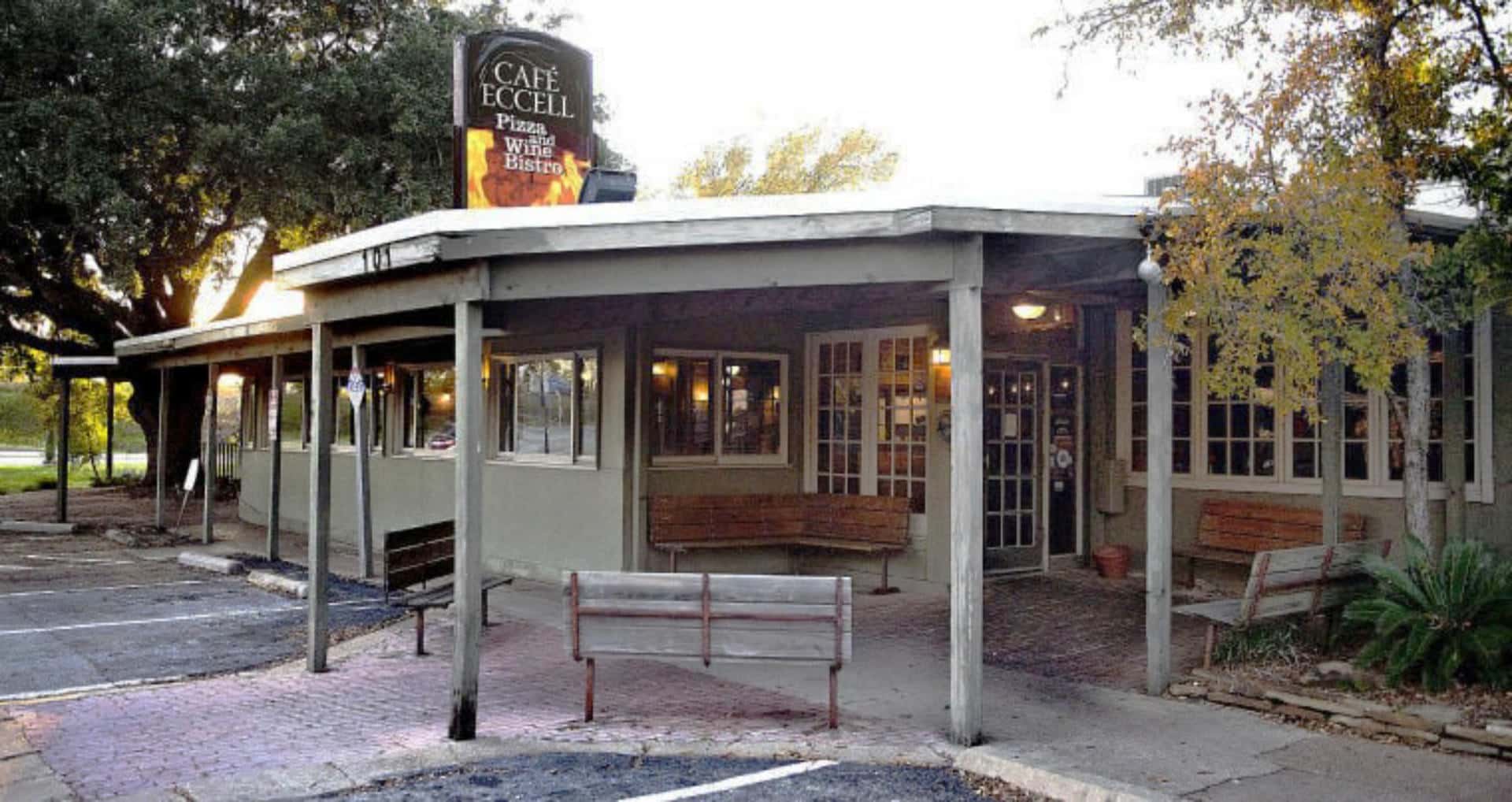
Cafe Eccell
This restaurant drew crowds from 1989 to 2014 at 101 Church Ave. in a 1947 building that was constructed as College Station’s first free-standing city hall, razed in 2014 to make way for the Domain at Northgate apartments.
"I miss their barbecue chicken pizza and strawberry tarts the most. It was always a fun place to go with friends or when parents were in town."
Melissa Slimp '96
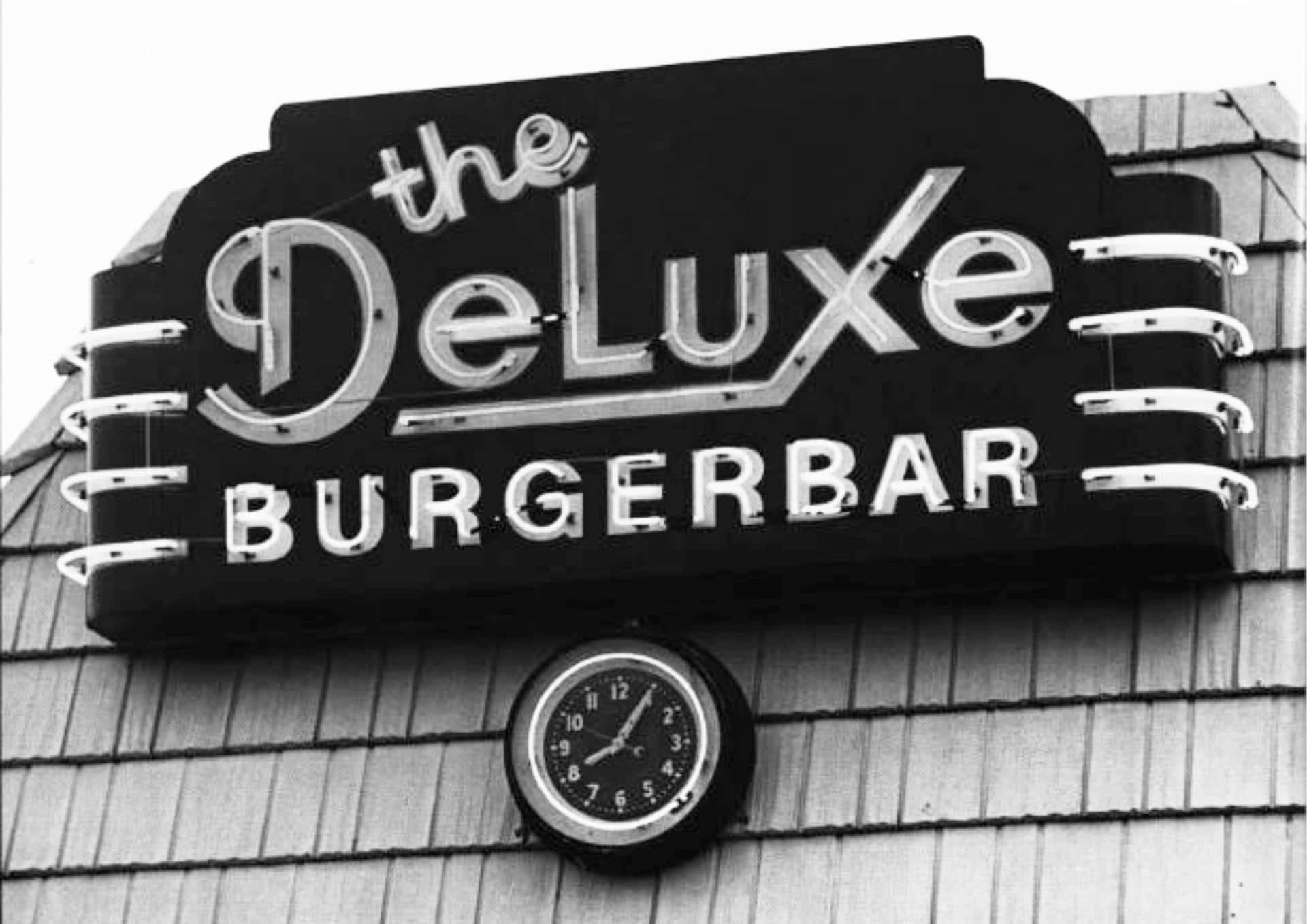
Deluxe Burger Bar
Later called Deluxe Diner, this Aggie favorite stood from 1983 to 2006 at 203 University Drive, which today houses Chimy’s Cerveceria.
"The cheeseburger was very good, but the thing that I was introduced to was the Black Cow. It was IBC Root Beer with Blue Bell Dutch Chocolate ice cream to make a float. I still make them at home to this day."
James Wayt '84
2014 Cafe Eccell photo by Dave McDermand/The Bryan-College Station Eagle.

505 George Bush Drive
College Station, TX 77840

(979) 845-7514
When Aggies see a need, their energy and their selflessness draw others into the cause, and good things happen.
© 2026 The Association of Former Students of Texas A&M University, All Rights Reserved